If Your Paintings Turn Dull, It's Probably the Surface
Oct 12, 2026
You finish a painting and it looks vibrant and full of life. A few days later, the colours look faded and flat. They have lost their glow.
It happens to almost every oil painter at some point.
The problem is not necessarily your paint or your technique. Very often, the problem is at the root: the surface you paint on.
Why the colour sinks
Most canvases you buy are already primed, usually with several layers of acrylic gesso. This makes them ready to paint on, but it doesn't necessarily mean they are well sealed.
Gesso can be quite absorbent. When you apply oil paint, the ground can absorb some of the oil binder, leaving the pigments looking dull and matte. This is commonly known as sinking in.
The result? Colours lose their richness, dark areas become flat, and the painting can look quite different once dry.
How I prepare my surfaces
Over the years, I've realised how much difference proper surface preparation makes to my paintings.
I never start an oil painting anymore without adding at least one extra layer of primer, even when the canvas or panel is already primed.
And the product that has made the biggest difference to my work is Michael Harding's Non-Absorbent Acrylic Primer.
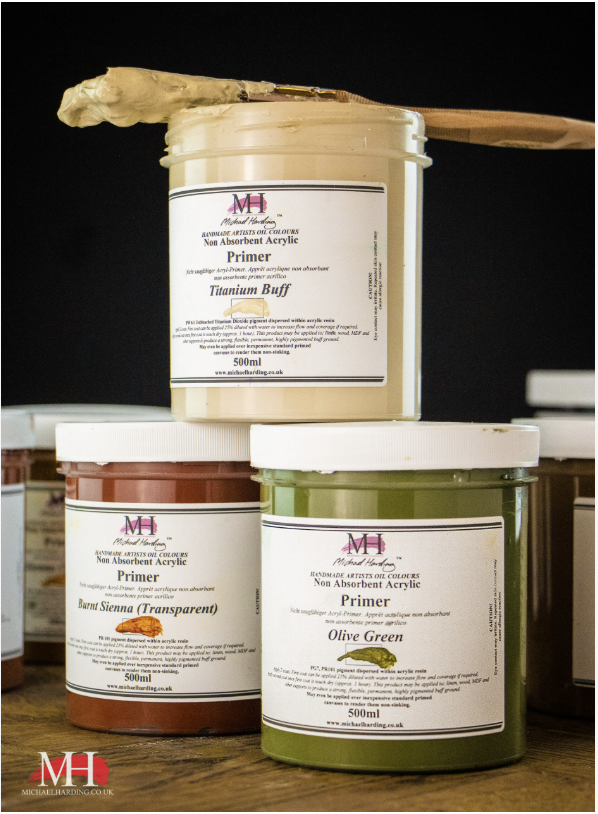
Unlike traditional gesso, it creates a less absorbent surface, helping the oil paint retain its richness and allowing the colours to remain more vibrant.
I use it all the time, on both canvas and panels.
Depending on the surface, I might apply more than one coat, allowing each to dry properly before painting.
How I prepare my surfaces
The solution is simple, but it makes a real difference:
- Use a non-absorbent acrylic primer or an oil-based ground.
- Build a strong foundation with several sealing coats, so the layers above can shine.
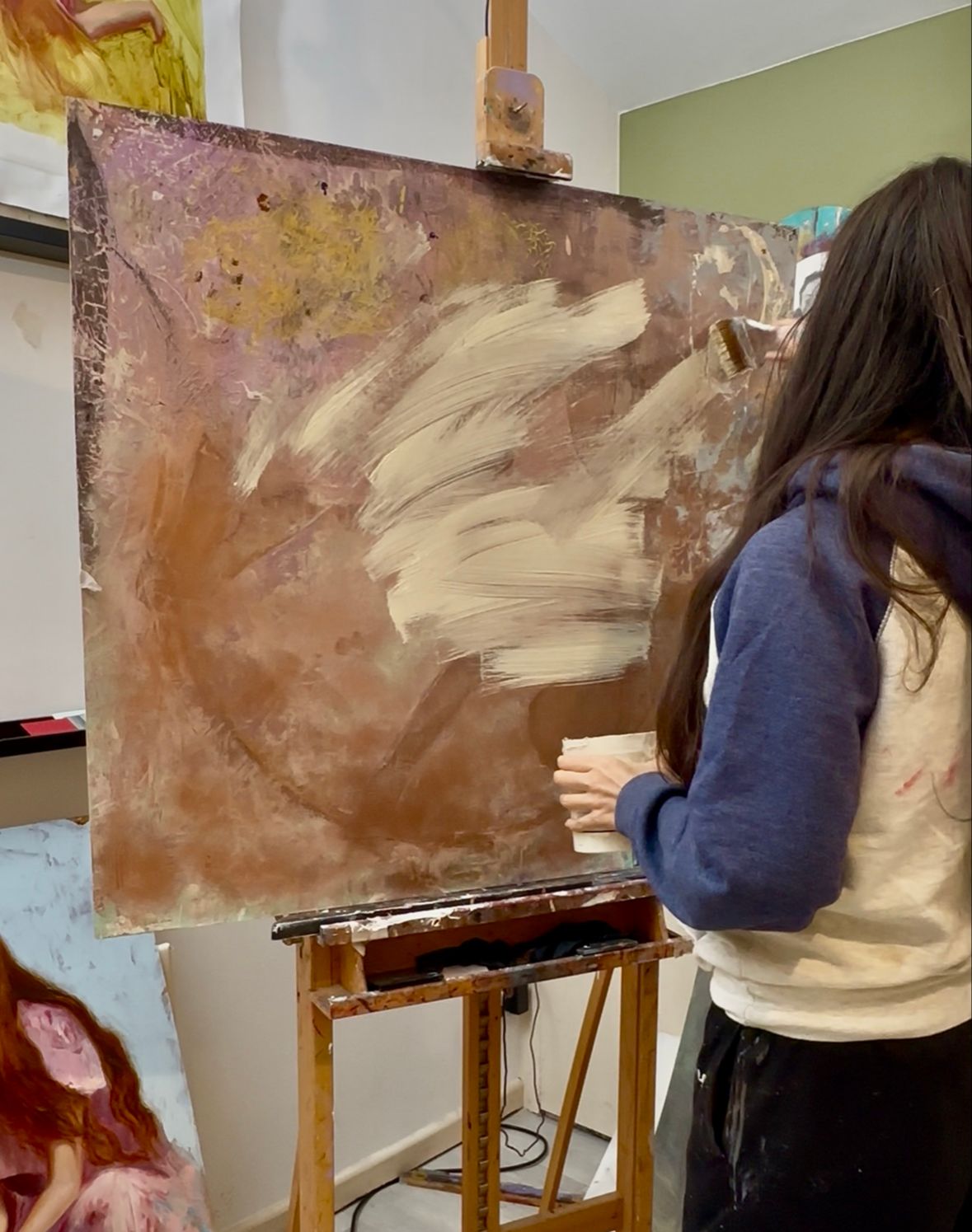
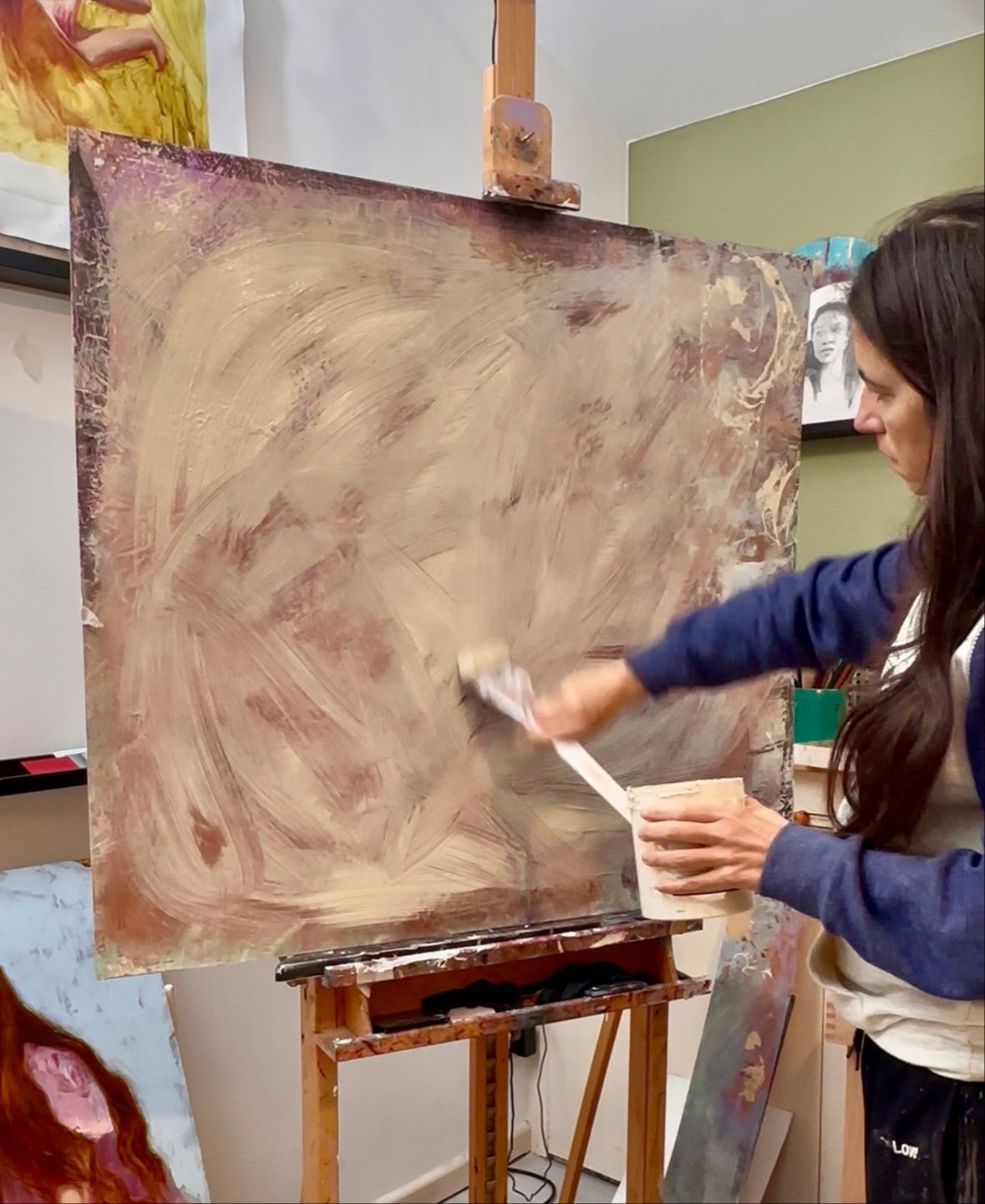
Sealing a panel with primer before I start painting.
This preparation is the shift that can transform your painting.
I have seen so many artists struggle with dull, lifeless colours. That is why, at the very start of my programmes, I dedicate full modules to priming and preparing grounds properly.
If you want to see how I build textured grounds on panel, I wrote about it in How the Ground Changed My Art.
Try this experiment
Want to experience this yourself? Paint the exact same subject on two different surfaces:
- A simple, ready-primed canvas
- A gessoed panel, or any other surface you have prepared yourself
Then compare how the brush moves, how the colour behaves and how the painting develops.
If you try it, share your results on Instagram or Facebook and tag me: @rossoartist on Instagram, or facebook.com/rossoart. I would love to see what you notice.
Learn the full method
The full priming and grounds modules are part of COMPLETE, where I teach the method behind my work: how to prepare the surfaces I paint on, how to build strong portraits, and how to push realism in a contemporary direction.
If this way of painting speaks to you, this is where we work on it together.
Start with the free portrait guide
If you have not done so yet, download my free guide, What Makes a Portrait Convincing?
Enjoyed this article?
Subscribe here to receive practical painting advice and more arty news.
No spam. Only thoughtful, carefully written content.