How changing the ground transformed my art
Feb 03, 2026
Last week, I wrote about simplification — how learning to truly see your subject can transform both the painting process and the final result. If you missed it, you can read it on the blog.
When I learned how to truly observe and simplify, my portraits became more interesting. And, strangely, more real than ever.
But today I want to talk about something different.
Something nobody ever told me. Not in school. Not in books. Not online.
The surface.
When you start painting, you go to an art shop and buy brushes, paint, and canvas. But do you actually know what canvas to buy? Or panel?
Most beginners don’t. They just start somewhere. And then they spend years struggling with paintings that turn dull overnight. Or never quite take off. Or feel flat and boring, no matter how many layers, days, or weeks you put in.
And here’s the uncomfortable truth: often it’s not your fault. It’s the support you’re painting on.
Even if you bought it in a professional art store.
The surface affects everything — how the paint sits, how the brush responds, whether it bounces or digs in. Whether colour stays vibrant or sinks and goes ghostly.
Hard Surfaces, No Bounce
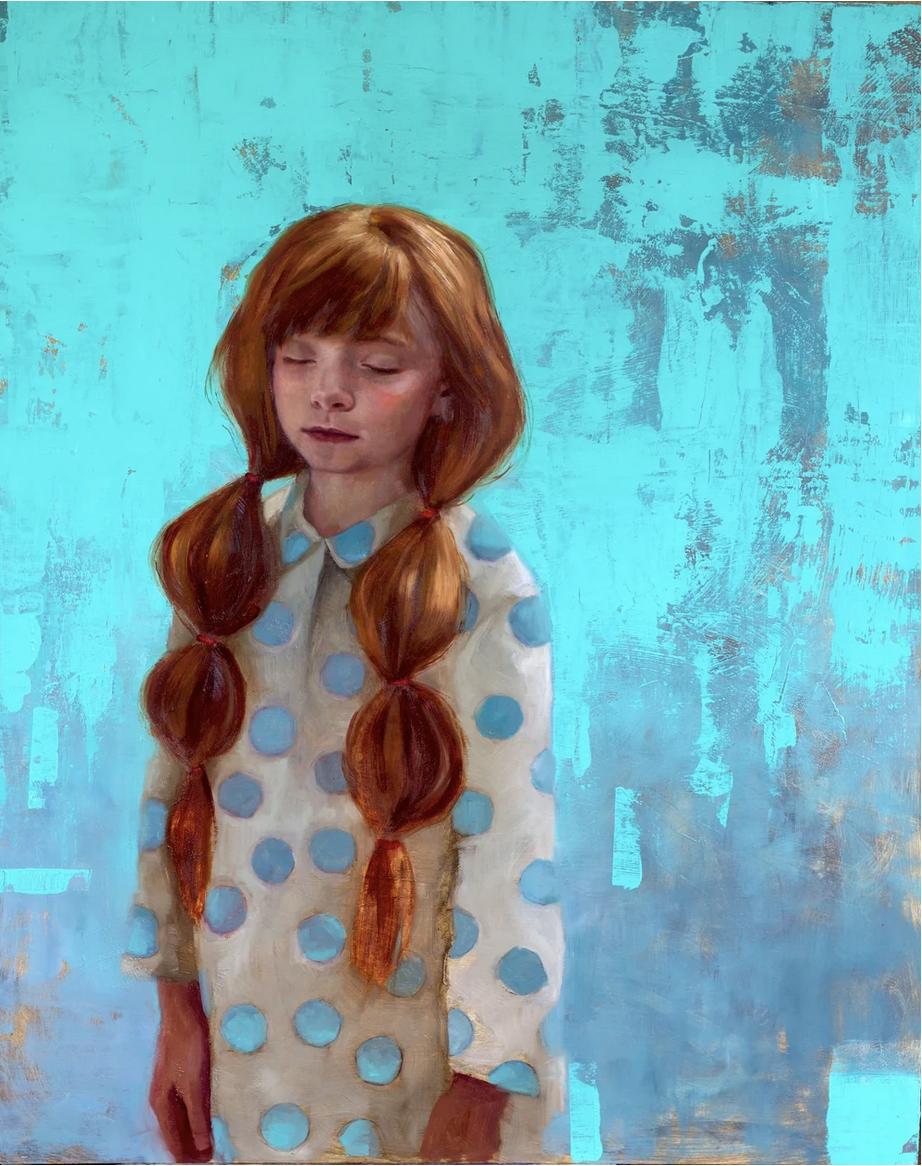
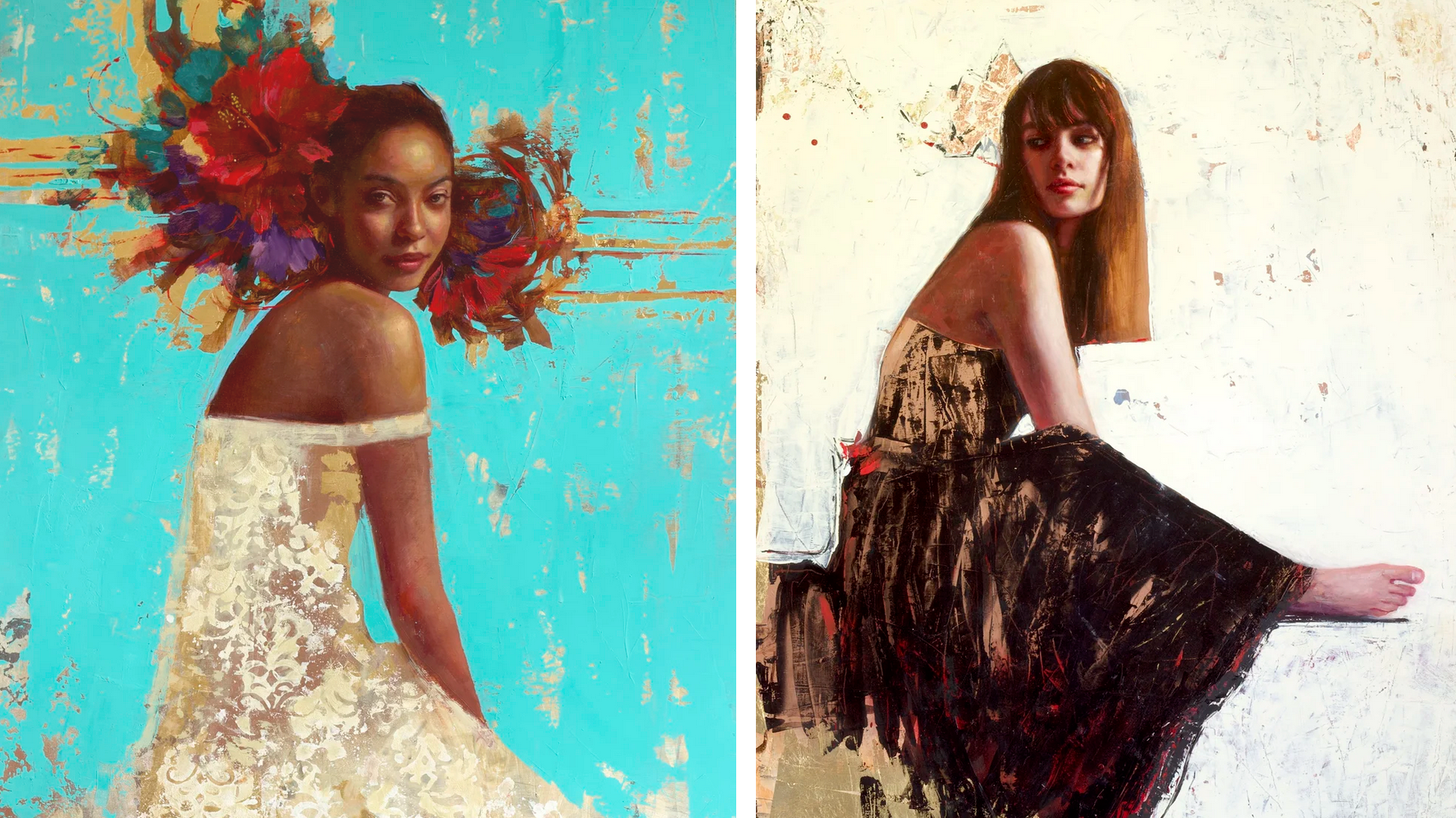
I love painting on hard surfaces. Minimal bounce. I want to see the paint physically sitting there — thick, present. Not absorbed. Not dulled. Not fading away.
When you use proper artist-grade oil paint — especially something creamy and rich — the last thing you want is for it to disappear into a thin, factory-primed canvas. I use Michael Harding paint, and I tell you, it would make me crazy to see that gorgeous paint disappear.
For years, I ruined paintings. I wanted impasto and got dull patches. I wanted luminosity and got chalky surfaces. Portraits that felt like they evaporated into the void.
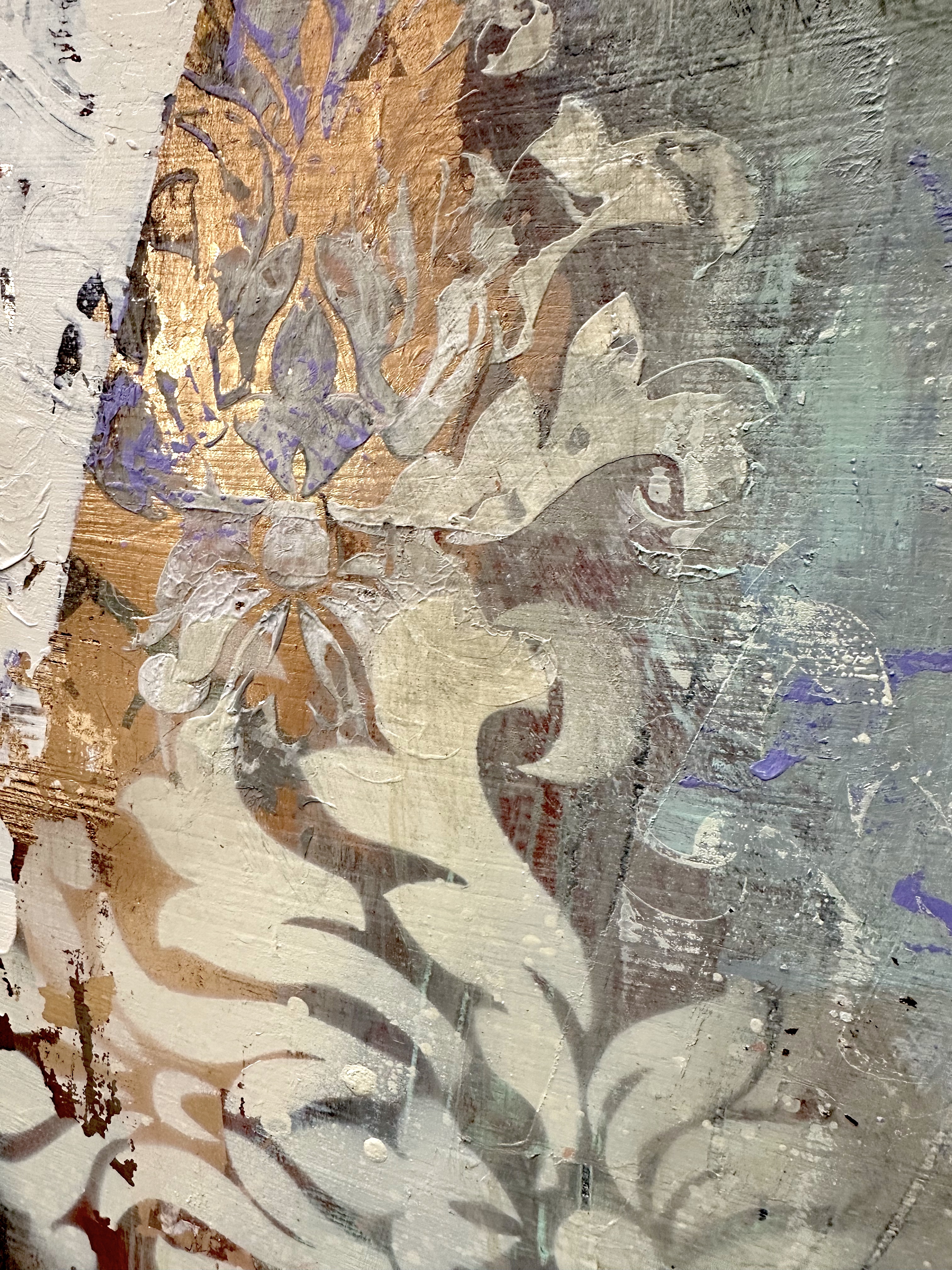
So I started layering my supports.
Gesso.
Powder.
Acrylic paste.
More gesso.
More texture.
Recently, non-absorbent primer.
Some cracked.
Some reacted unpredictably.
Some ruined work.
But some — some made my eyes light up.
The surface entered the painting dialogue, along with the subject I wanted to paint.
And the portraits stopped disappearing. The paint stayed where I put it. The colour stayed pure.
The physicality remained.
I never went back to simple, universally primed canvas.
I couldn’t.
It’s only after building up multiple layers that I feel ready. Geared up. Like the ground itself is alive.
Try This
If you’ve never tried this before, try it.
Paint the exact same subject on:
– A basic pre-primed canvas
– A heavily gessoed panel (or any surface you’ve prepared yourself)
Notice how the brush moves.
Notice how the colour behaves.
Notice how the painting develops.
You might discover that what you thought was a “technique problem” was actually a surface problem.
The Deeper Principle
Learning to see changes your perception. Changing the surface shapes your practice and I dare to say, your style.
Technique matters. References and Models Matters. Observation matters.
But starting conditions matter just as much.
And no one told me that. So now I’m telling you.
Did you know you can learn with me both online and in person?
Enjoyed this article?
Subscribe here to receive practical painting advice and more arty news.
No spam. Only thoughtful, carefully written content.