Painting by the Ocean — What Really Happens Inside My Art Retreats
May 02, 2026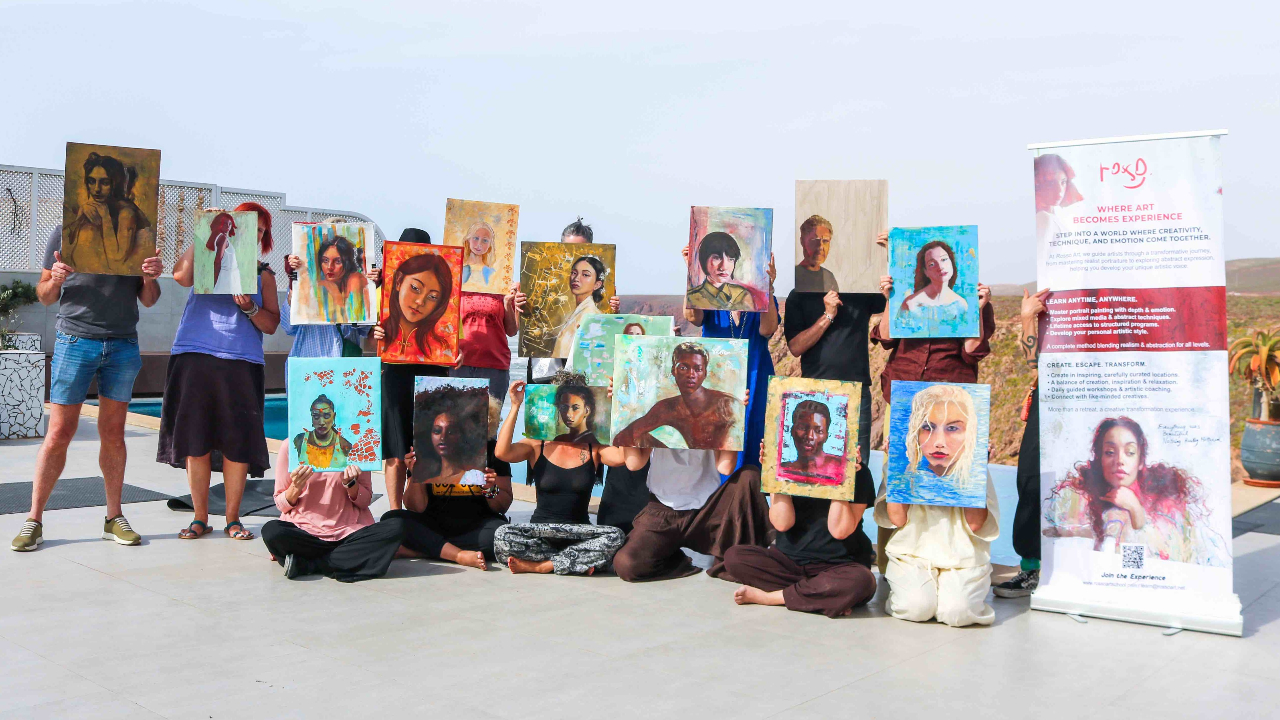
For those of you who have been following my work for some time, you'll know that over the past few years I've been teaching not only online, but also in person — through city workshops and fully immersive retreats.
So when I was invited to host a retreat in Morocco, I was genuinely delighted.
I had also asked some of my students beforehand, and everyone was excited about the idea. That gave me the confidence to go ahead and explore it properly.
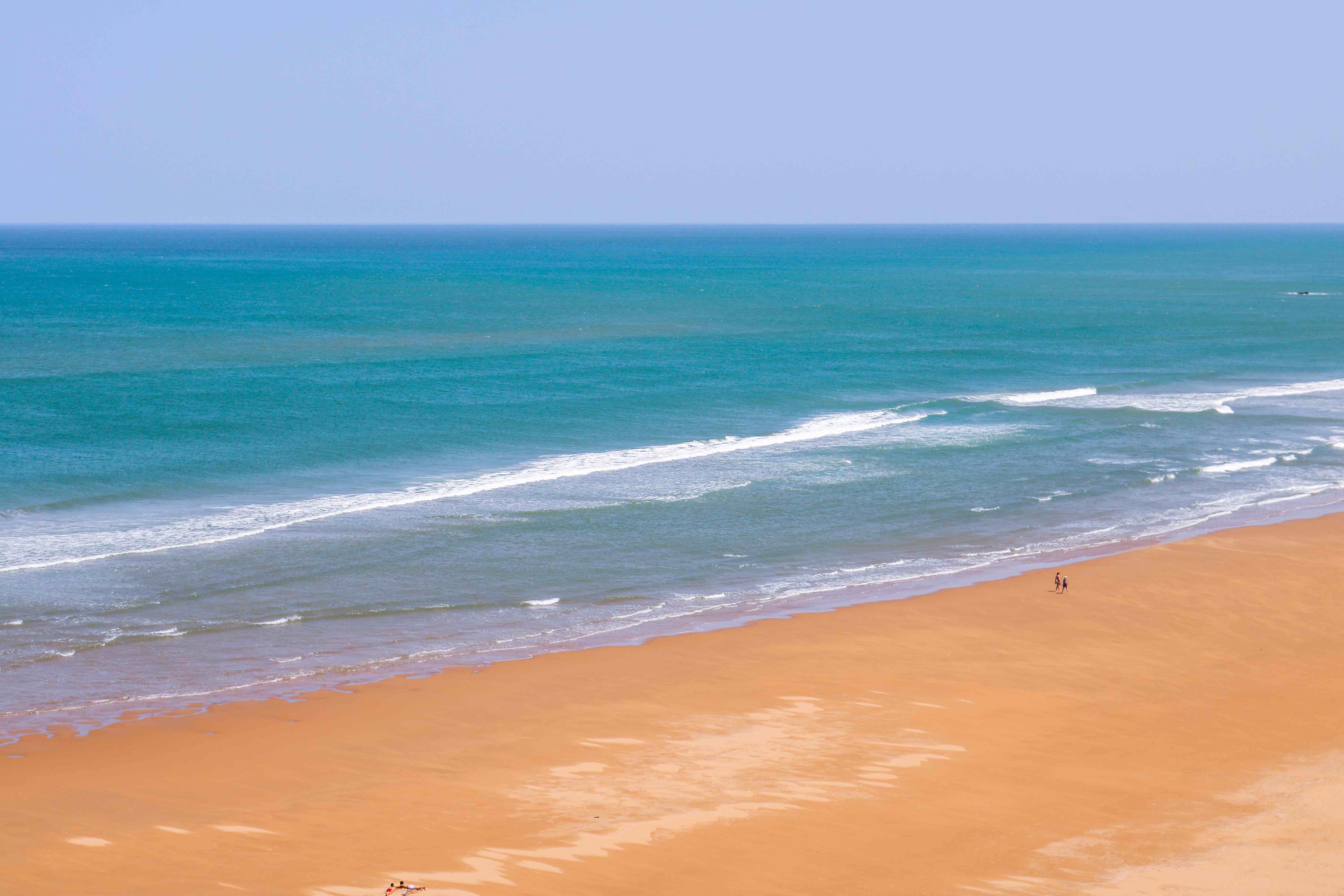
From the moment I stepped out of the airport, it was clear.
The warmth, the colour, the openness — people were immediately welcoming, helpful, genuinely kind. You feel it straight away.
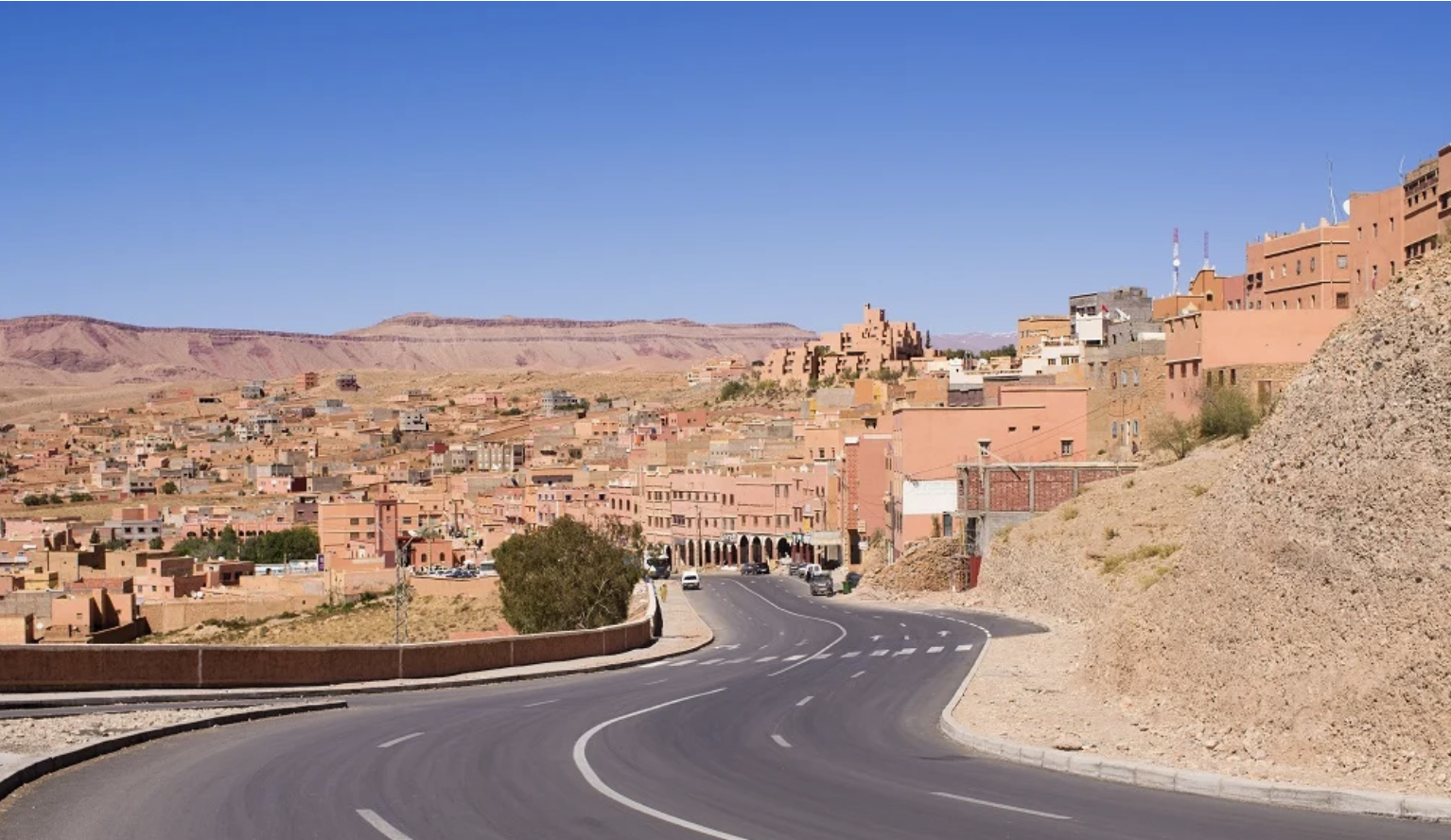
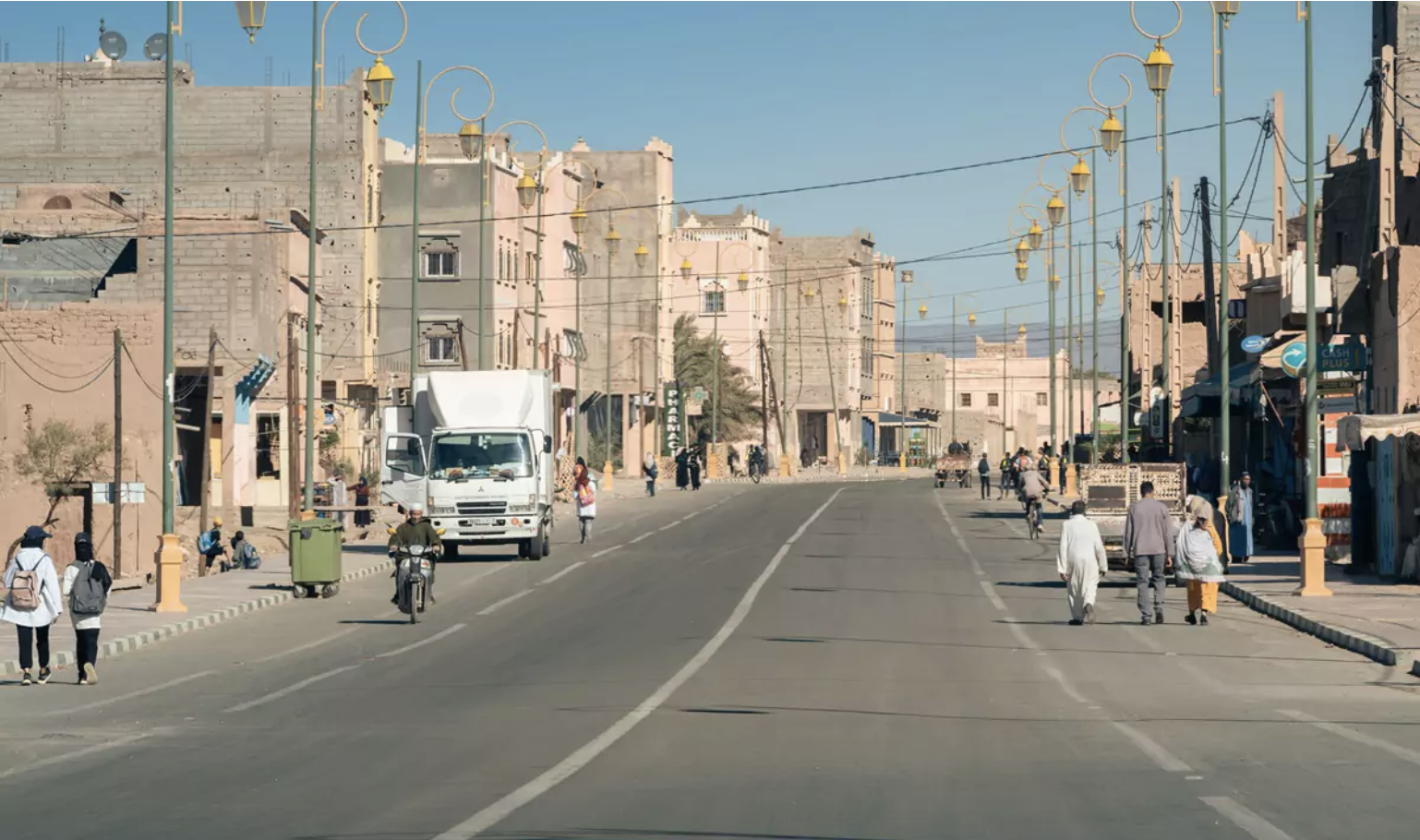
Then the drive. About an hour through that golden landscape, everything lit by the sunset, those deep earth tones everywhere. It already felt like being inside a painting.
And then we reached the workshop space.
I had seen images before, but in reality it was something else entirely. More open, more unspoiled than I expected. At that point, I knew it was going to work.
When the students arrived, everything clicked into place.
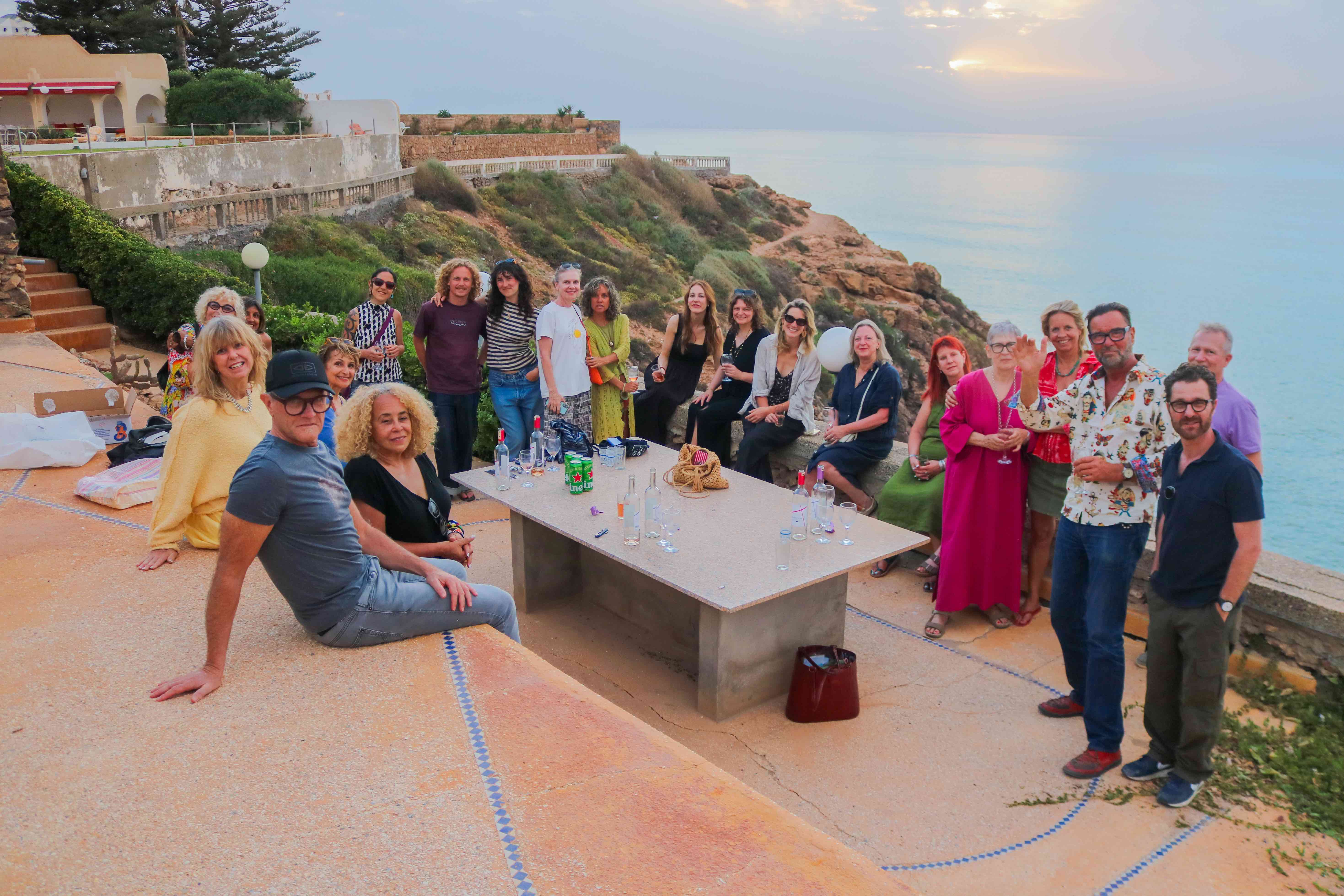
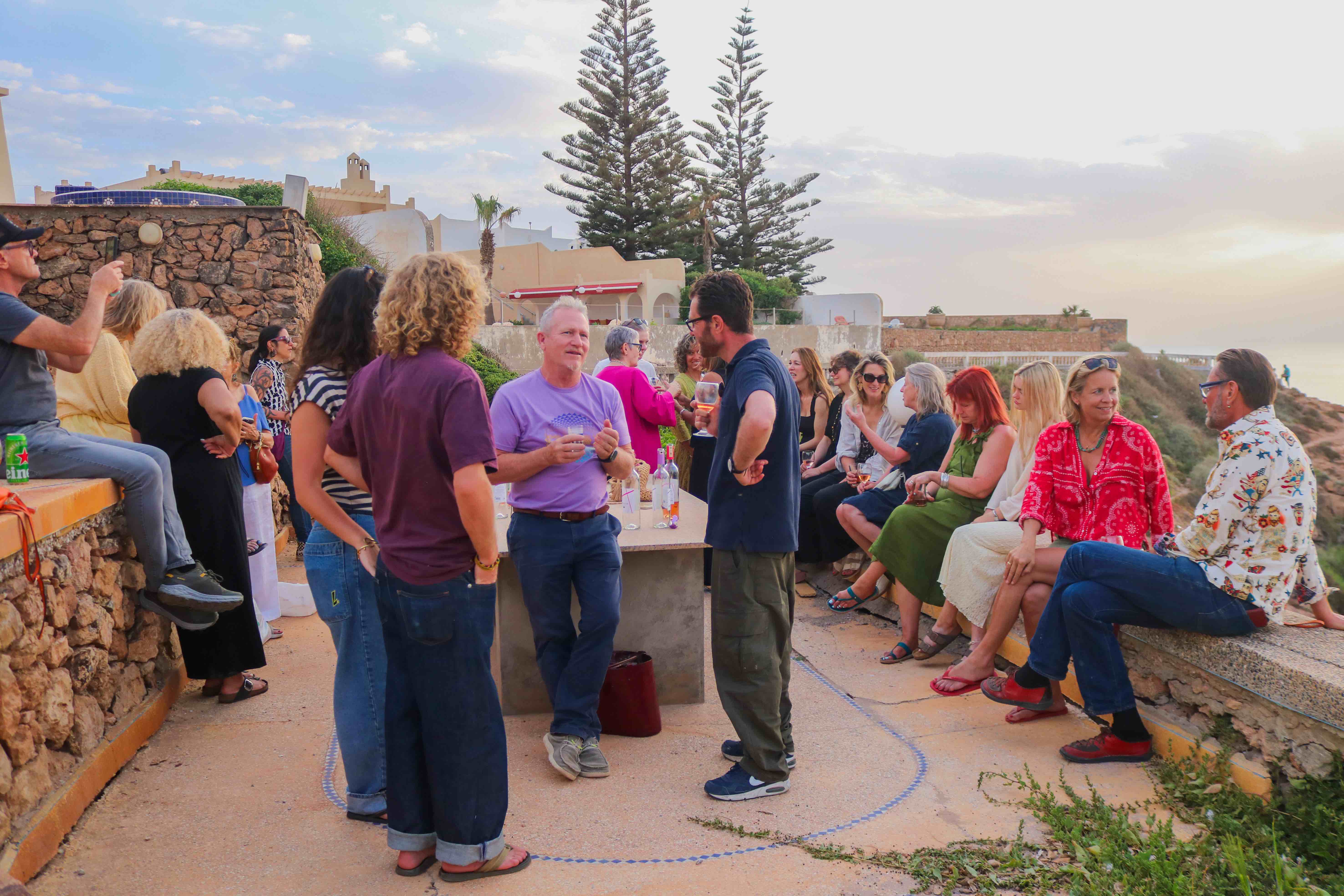
People came from all over the world. Different ages, different lives, different backgrounds — but all connected by the same thing: the art.
That creates something very specific. It's like a shared language before anyone even speaks.
One of the reasons I run these retreats is exactly this. I like bringing people together who would never meet otherwise. Different countries, different cultures, different ways of living, and suddenly they are sitting next to each other, painting. No barriers, just the work.
And something shifts very quickly.
There is a feeling that always comes up — it feels like going back to be a teenager again. Almost like travelling for the first time on your own, when everything is new and open.
The difference is that most people arrive with full lives behind them. Jobs, responsibilities, families, children. So when they step into a place like this, in another country, with a different rhythm, and the only thing they are asked to do is paint, it becomes something quite rare.
People come to these retreats for very different reasons.
Some come from an abstract background and want to finally understand how to paint portraits. Others have been painting figurative art and portraiture for years, often self-taught, and feel that something is missing — the work might feel flat or illustrative, and they don't quite know how to push it forward. And then there are experienced artists, even professionals, who come to go deeper, to observe, to refine their practice.
So the group is always mixed.
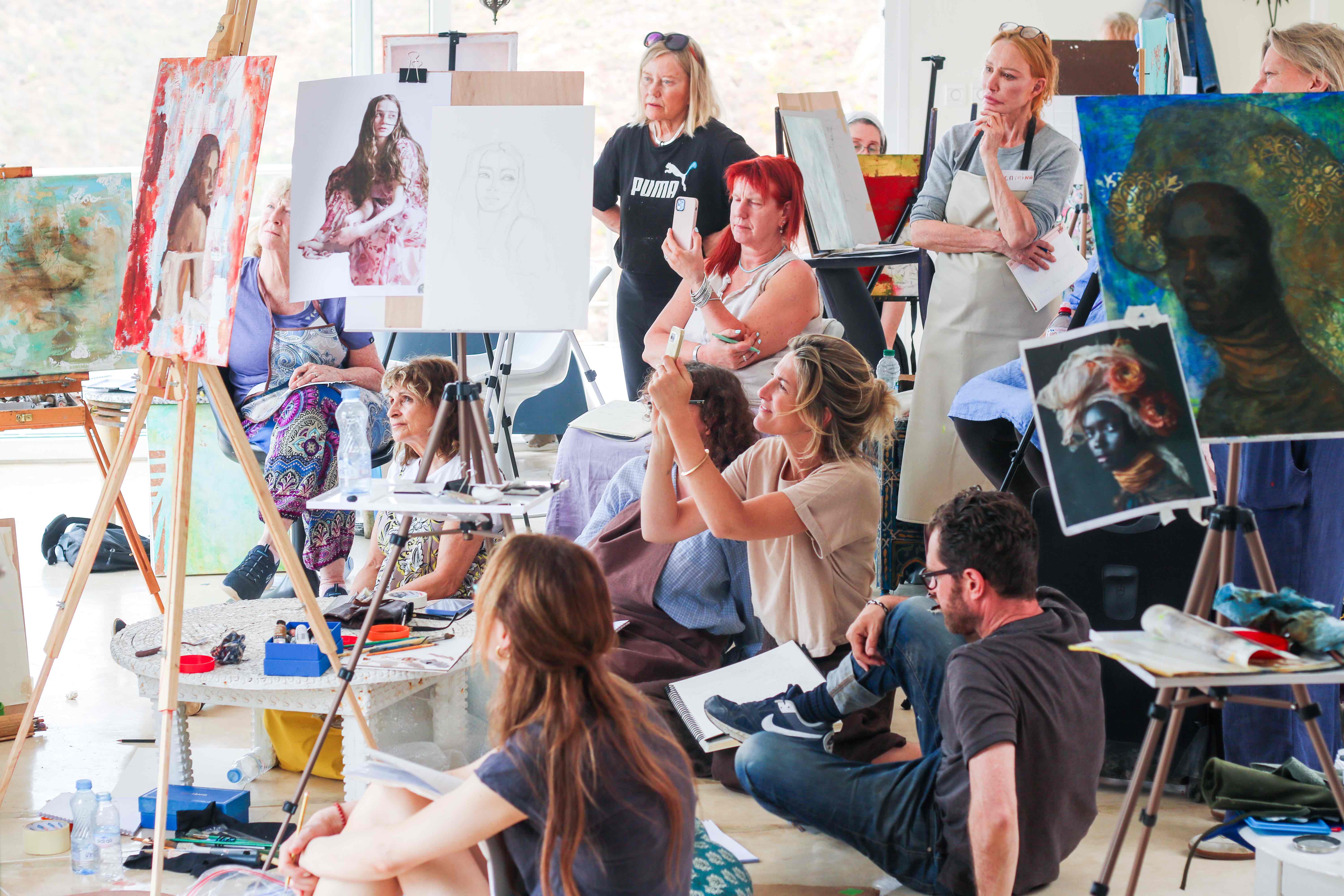
The way I relate to each person is very different.
Some people have told me they are surprised by how I can hold all these different levels together — how I can step into each person's vision and understand where they are.
For me, this is one of the most interesting parts of teaching .
I try to understand why someone is painting the way they are painting. Why they choose a certain colour, why they move the brush in a certain way, what they are seeing, and what they are not seeing yet.
And then I give direction from there.
It's not random. It's something I've worked on for years — understanding people, not just painting.
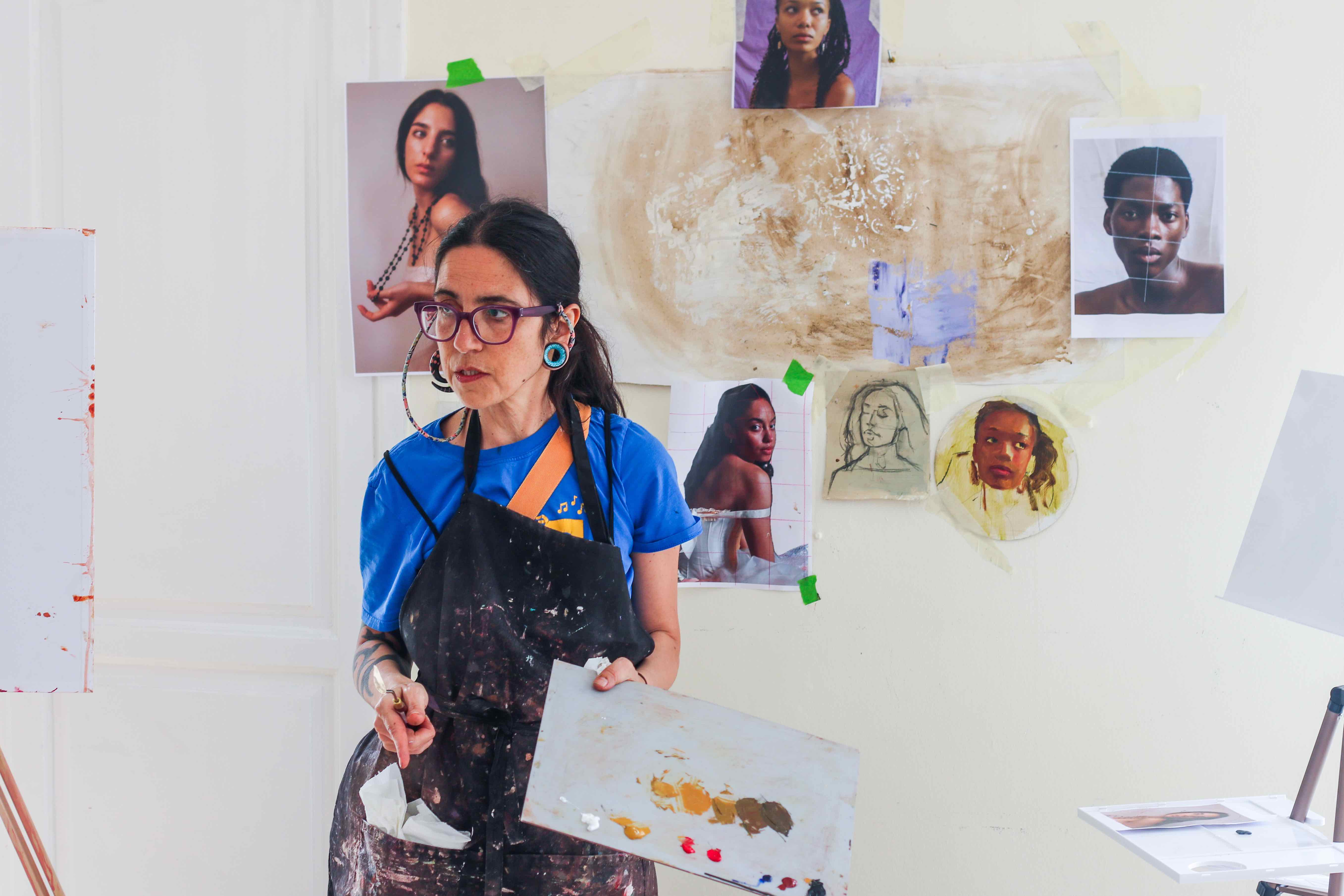
One of the women at this retreat, who was also a psychologist, told me something that stayed with me. She said that what she noticed was not just an understanding of the work, but an understanding of the person. Knowing how far someone needs help, and how far they are ready to receive it.
And that's exactly it.
You don't bring people from all over the world together without developing people skills. It requires attention, care, and a real willingness to understand how different minds work.
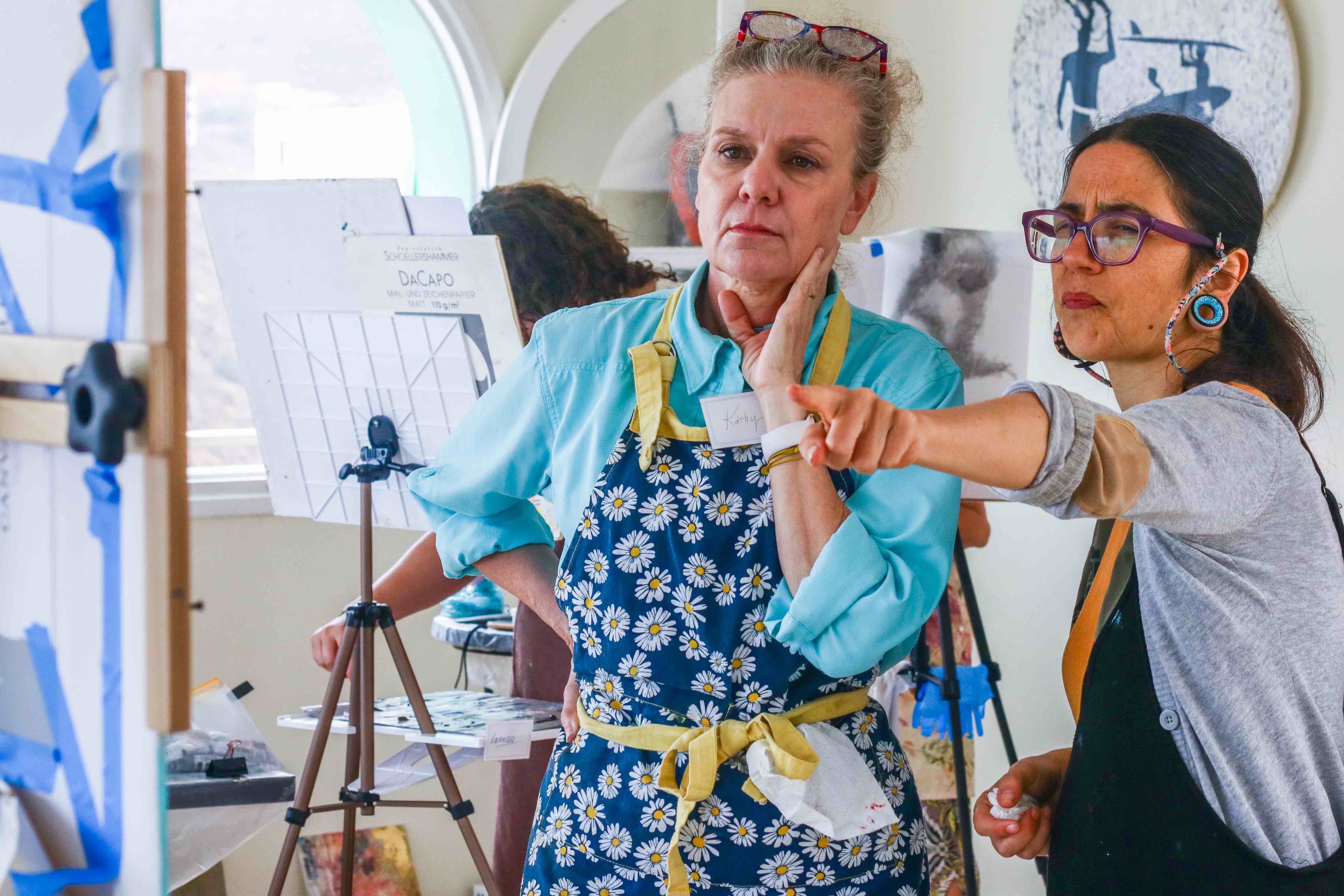
At this retreat, I saw both ends of the spectrum very clearly.
There were a few complete beginners who arrived unsure and hesitant. What they needed was clarity — a step-by-step path, reassurance, and space to work without feeling embarrassed. They focused on small studies, worked gradually, and built confidence.
And on the other side, there were professional painters.
With them, the conversation was completely different. We spoke through brushwork, through rhythm, through small decisions. They observed closely how I was working and translated that into their own language.
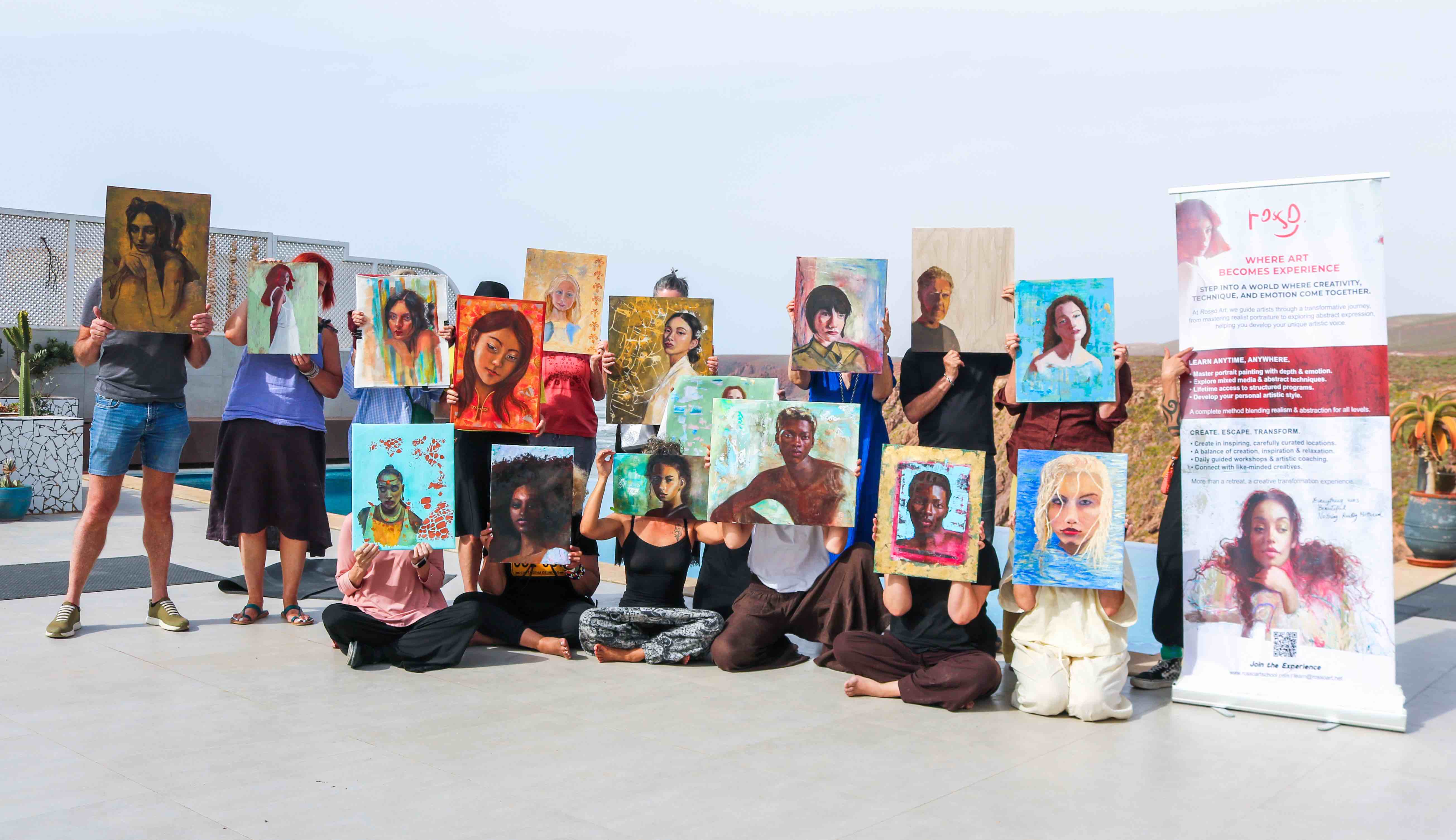
The work they produced was strong, confident, and completely a reflection of a style and voice that had emerged gradually through years.
So it was a pleasure to guide the beginner into portraiture, and equally a pleasure to share on the same level with someone who had already spent years refining their practice.
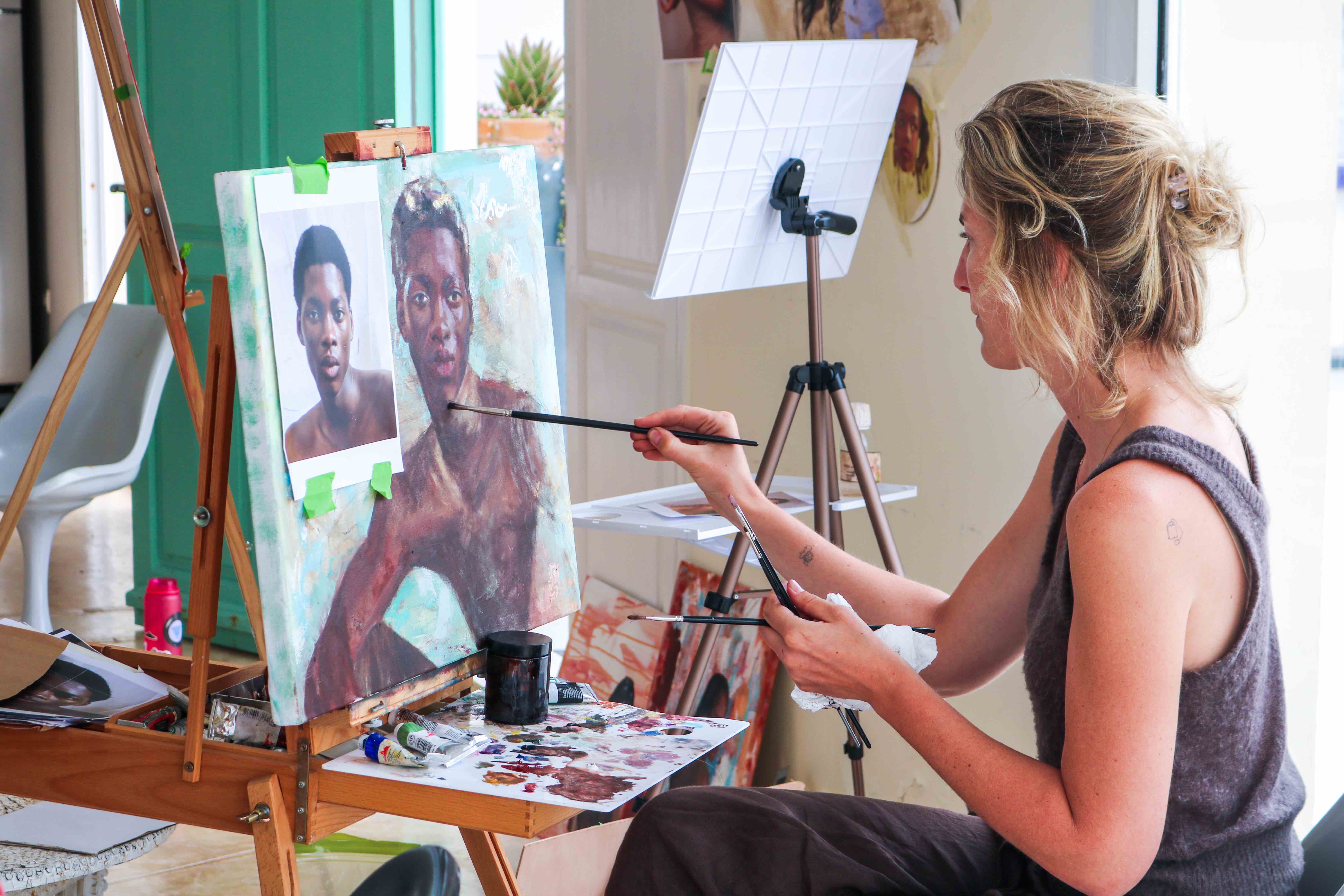
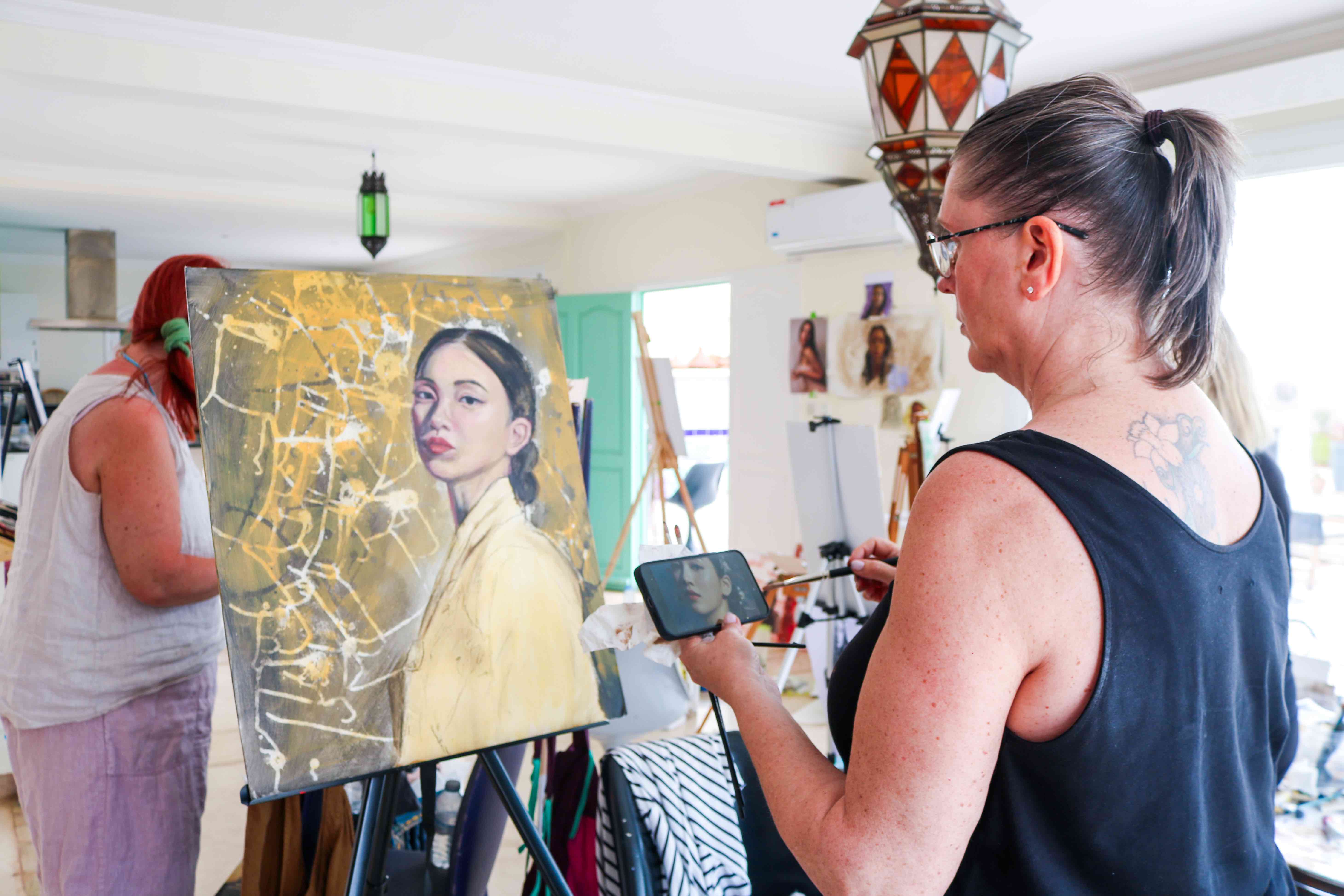
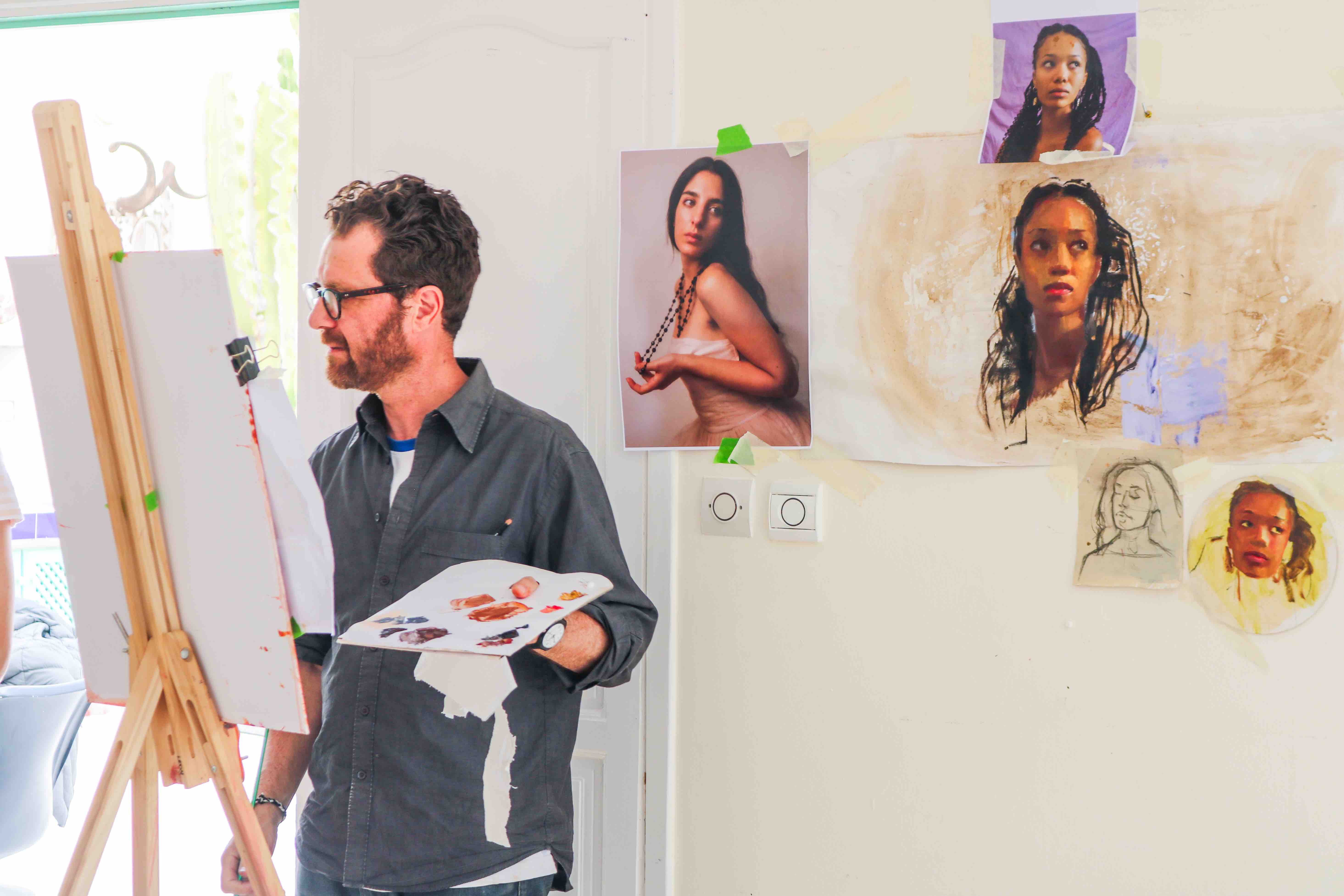
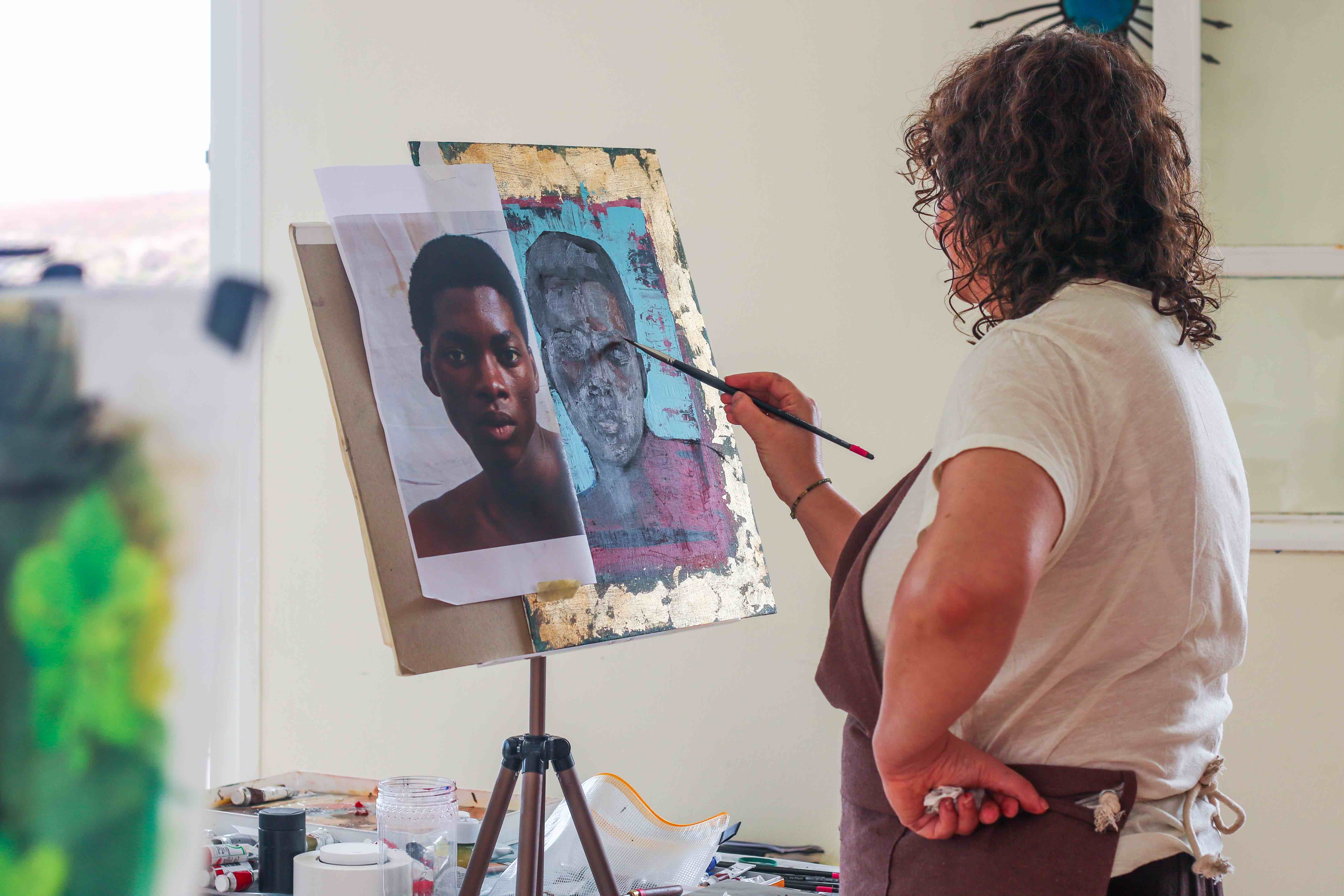
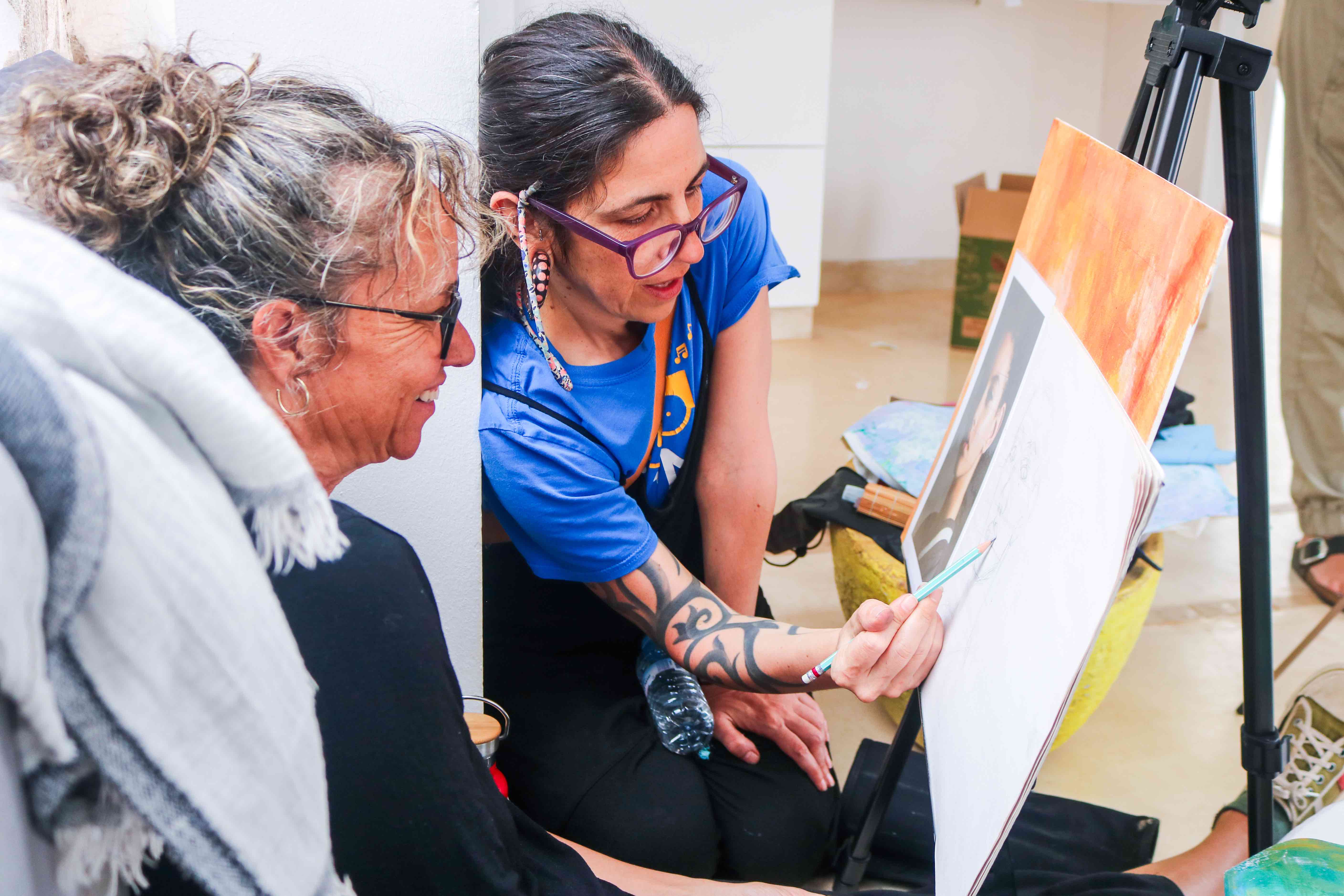
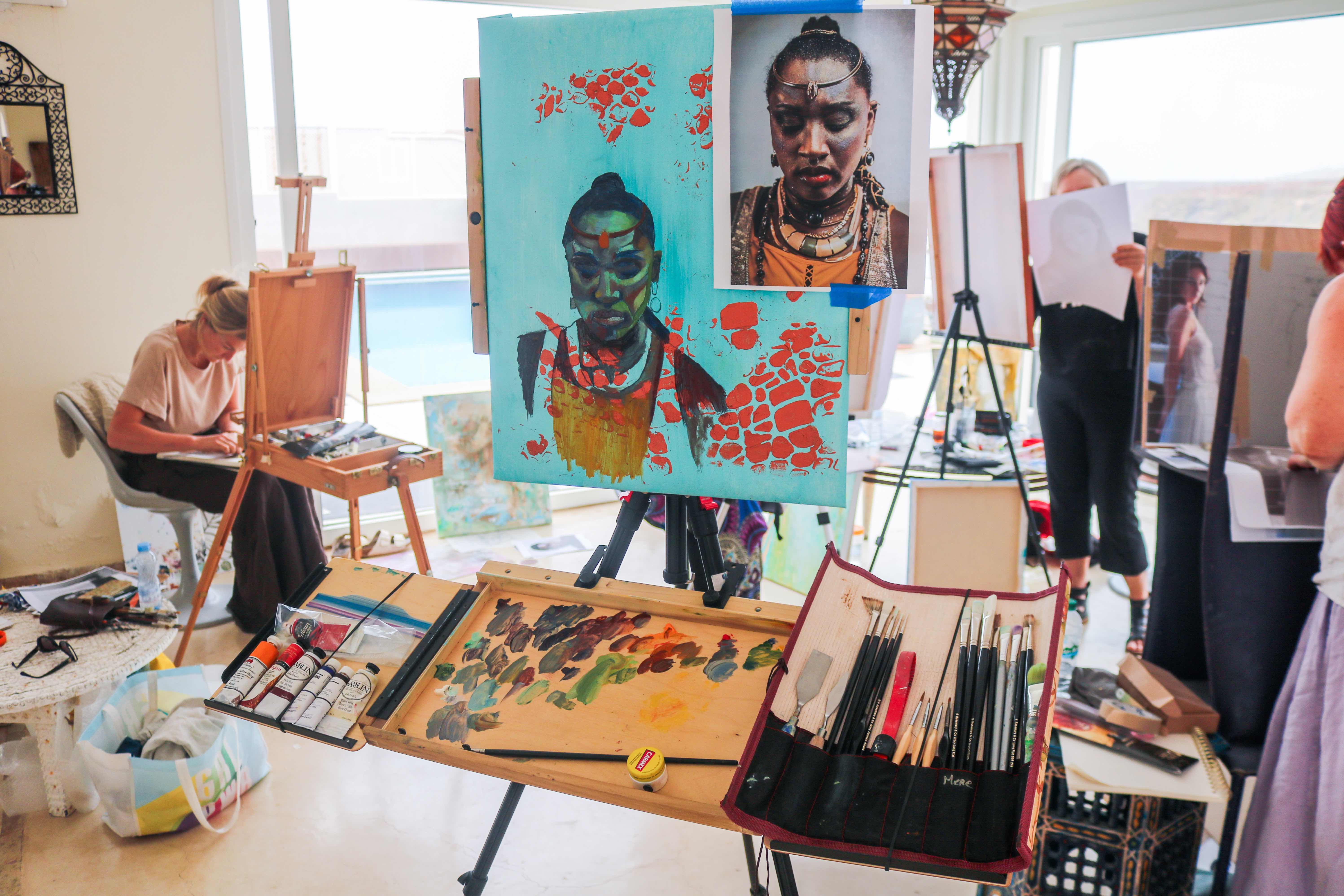
What I've noticed across every retreat is this: people arrive carrying the weight of their own judgement. The fear of getting it wrong. The habit of stopping too soon because something doesn't look right.
From the very first demo, I make it clear where I actually am in my practice — and how I got there. Not through painting by the book. Through experimenting, making mistakes, covering things, scraping back, trying again. Every failure in the studio taught me something a successful painting never could. I say this openly, and I show it. And what happens is that people give themselves permission to do the same. For that week, even working alongside someone who mastered the technique, they drop the inhibitions. They stop protecting the work and start pushing it.
That's when the real transformation begins.
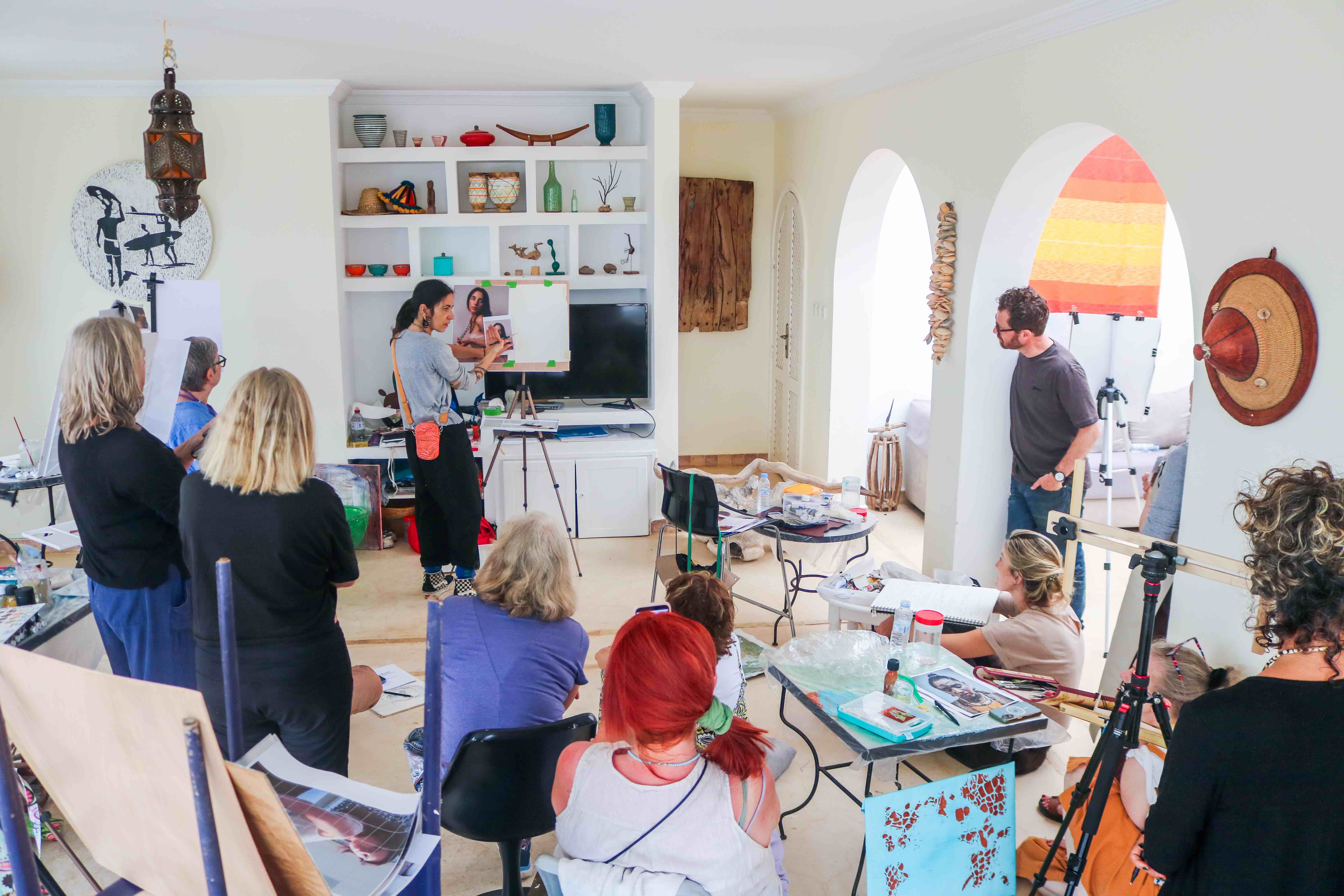
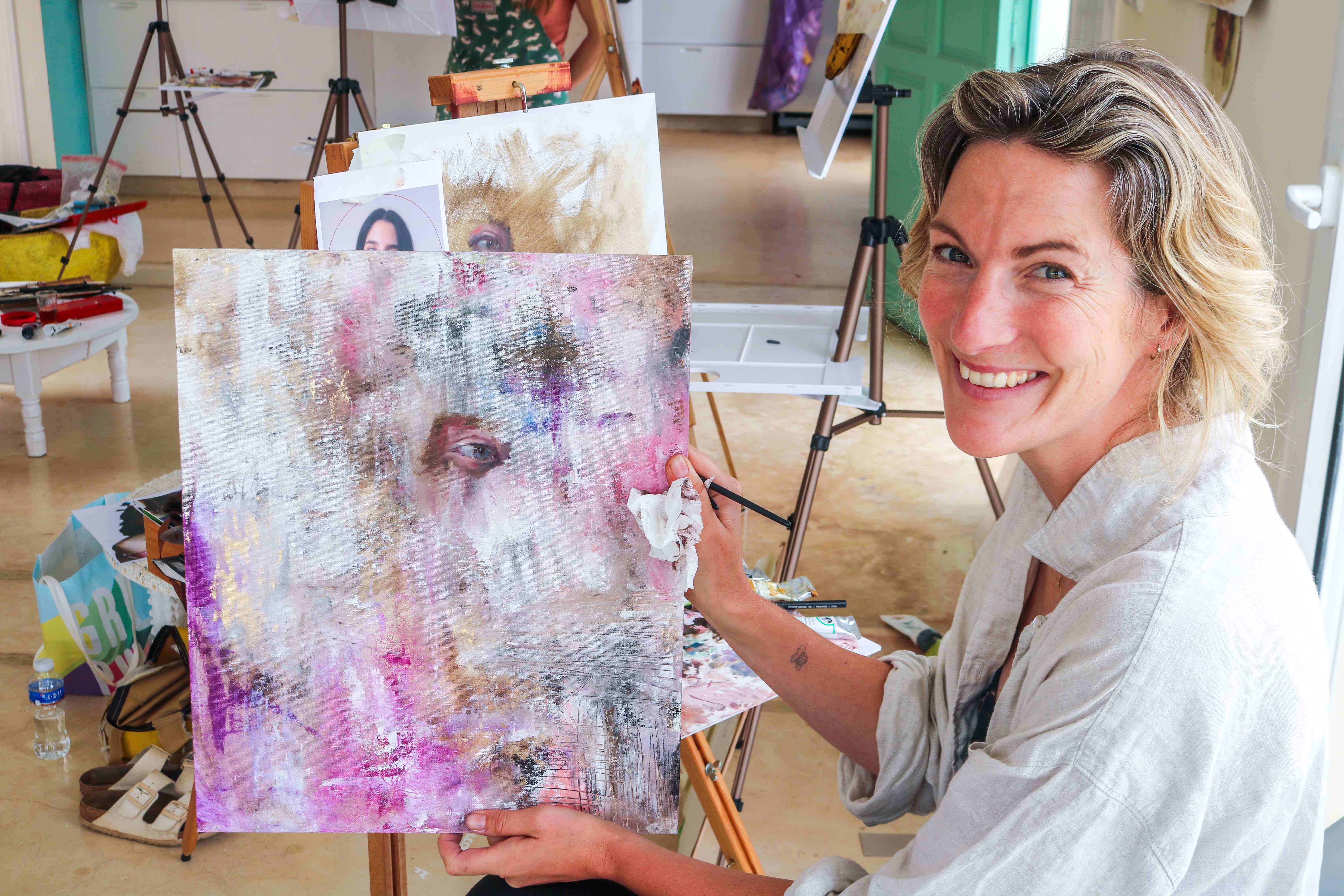
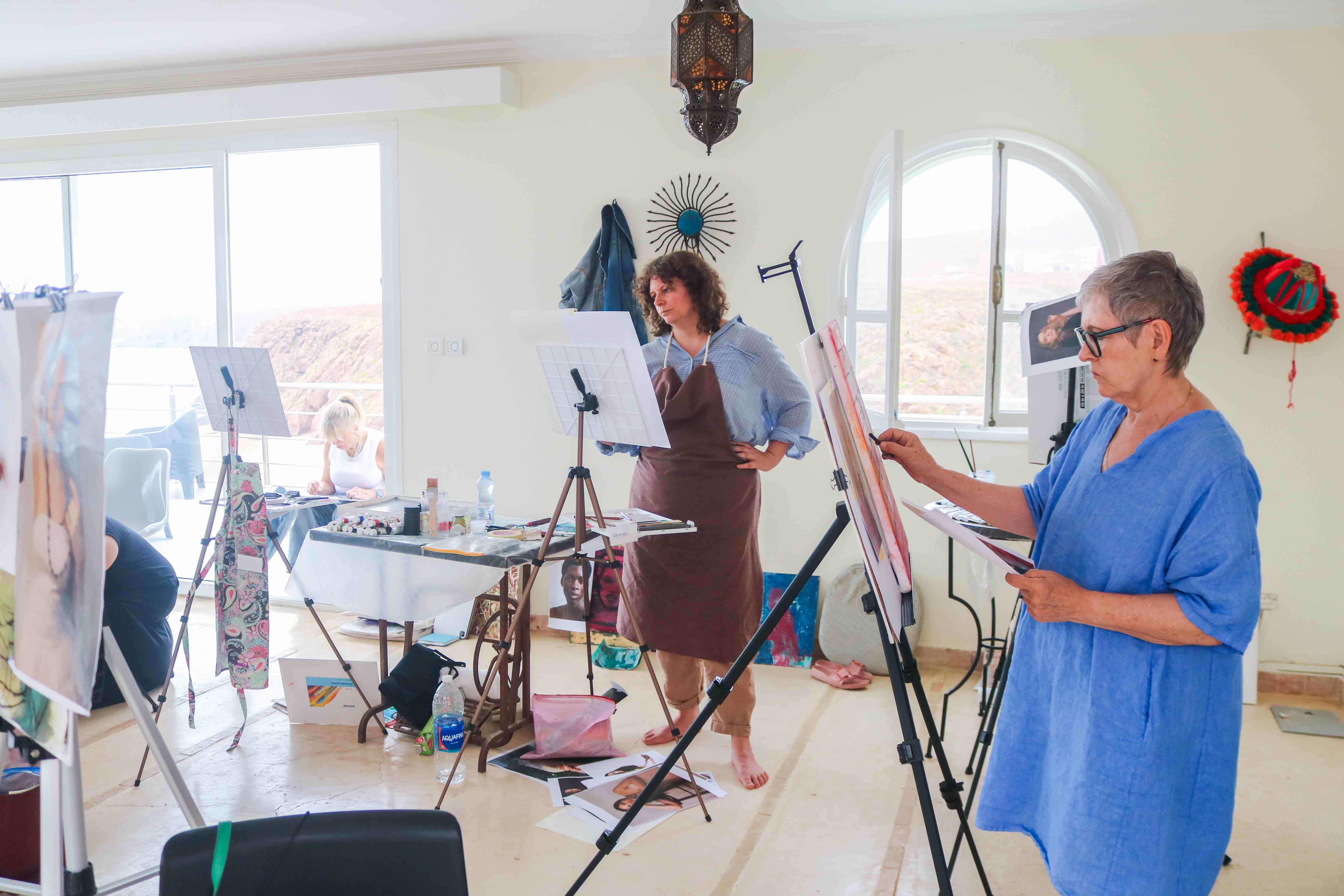
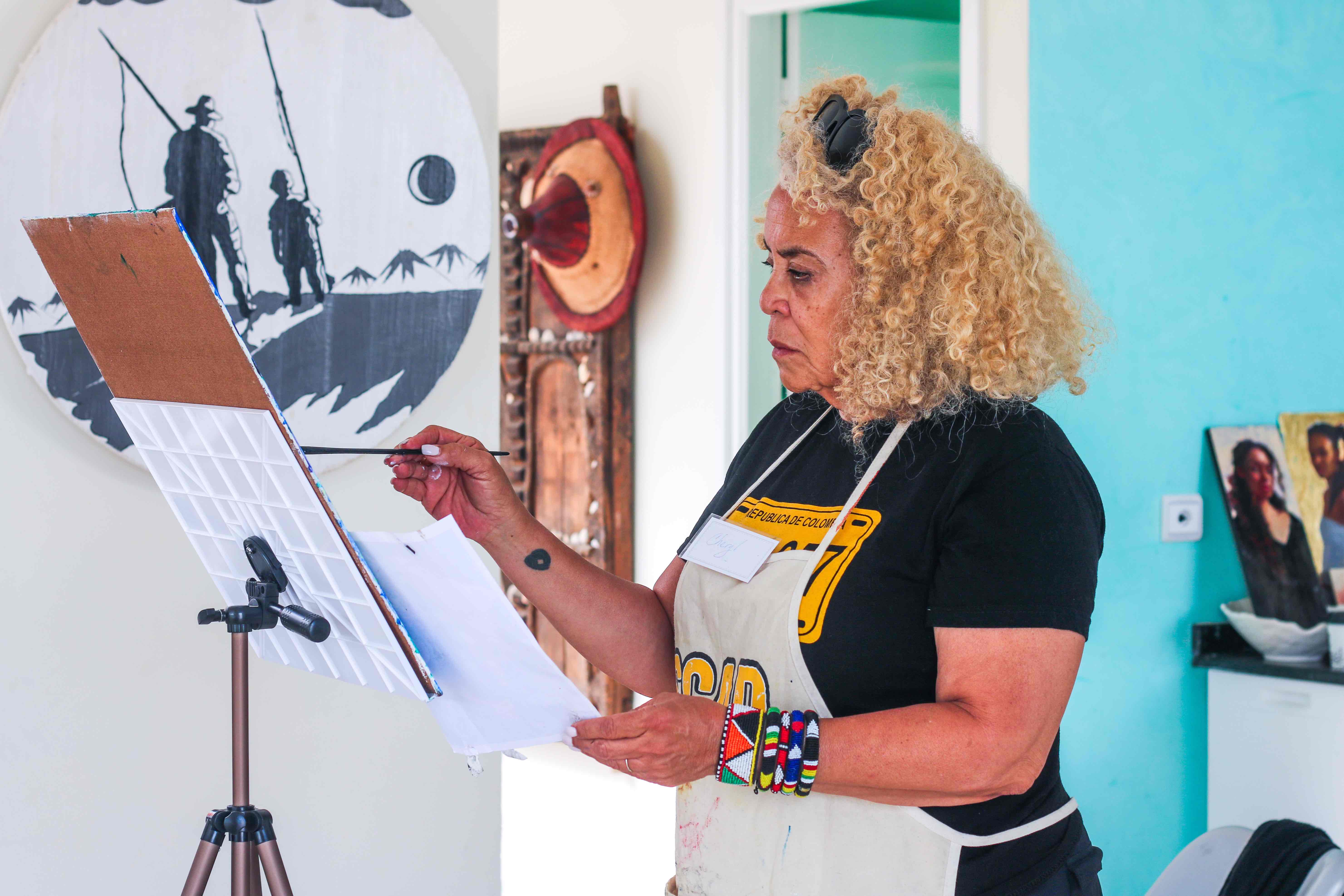
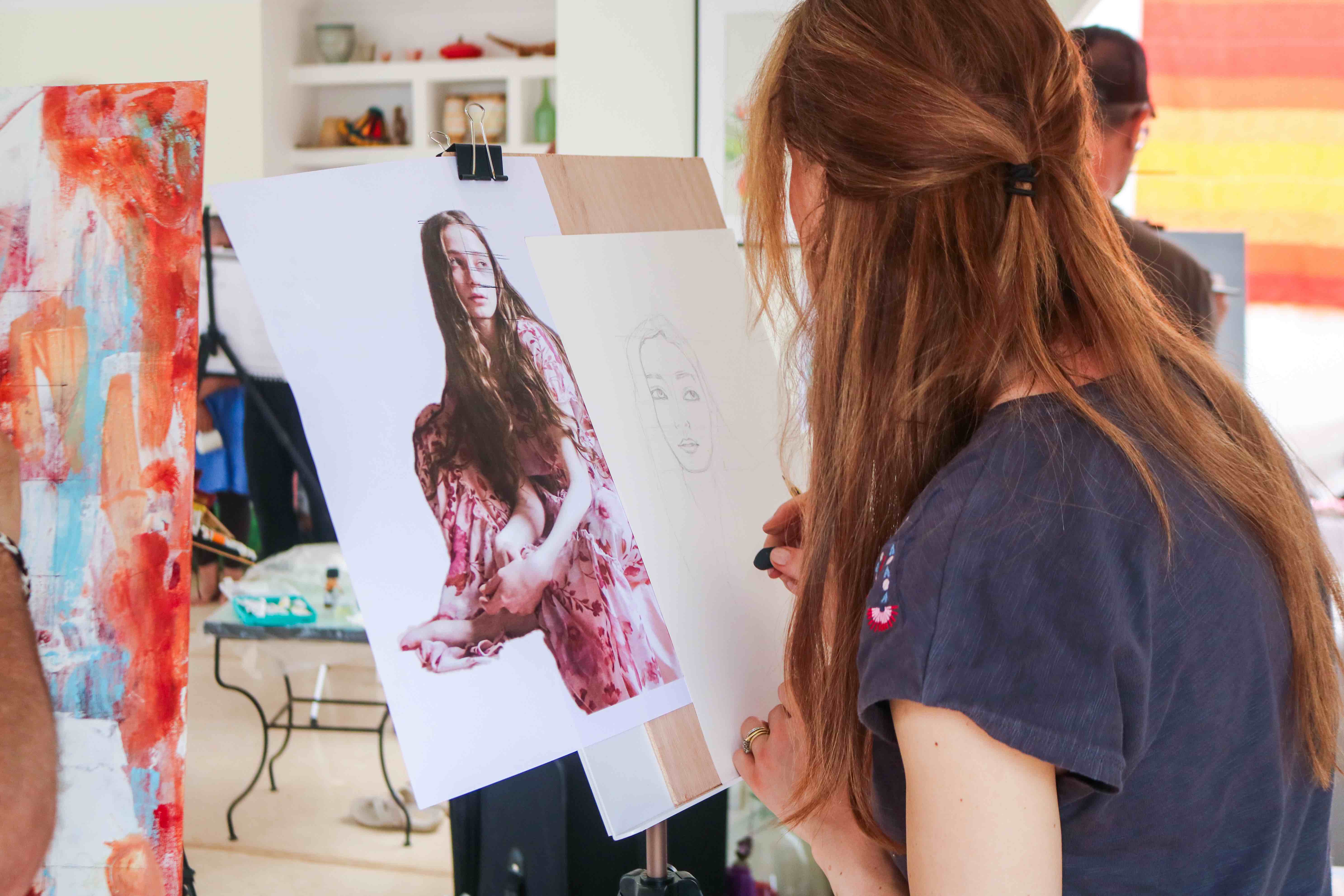
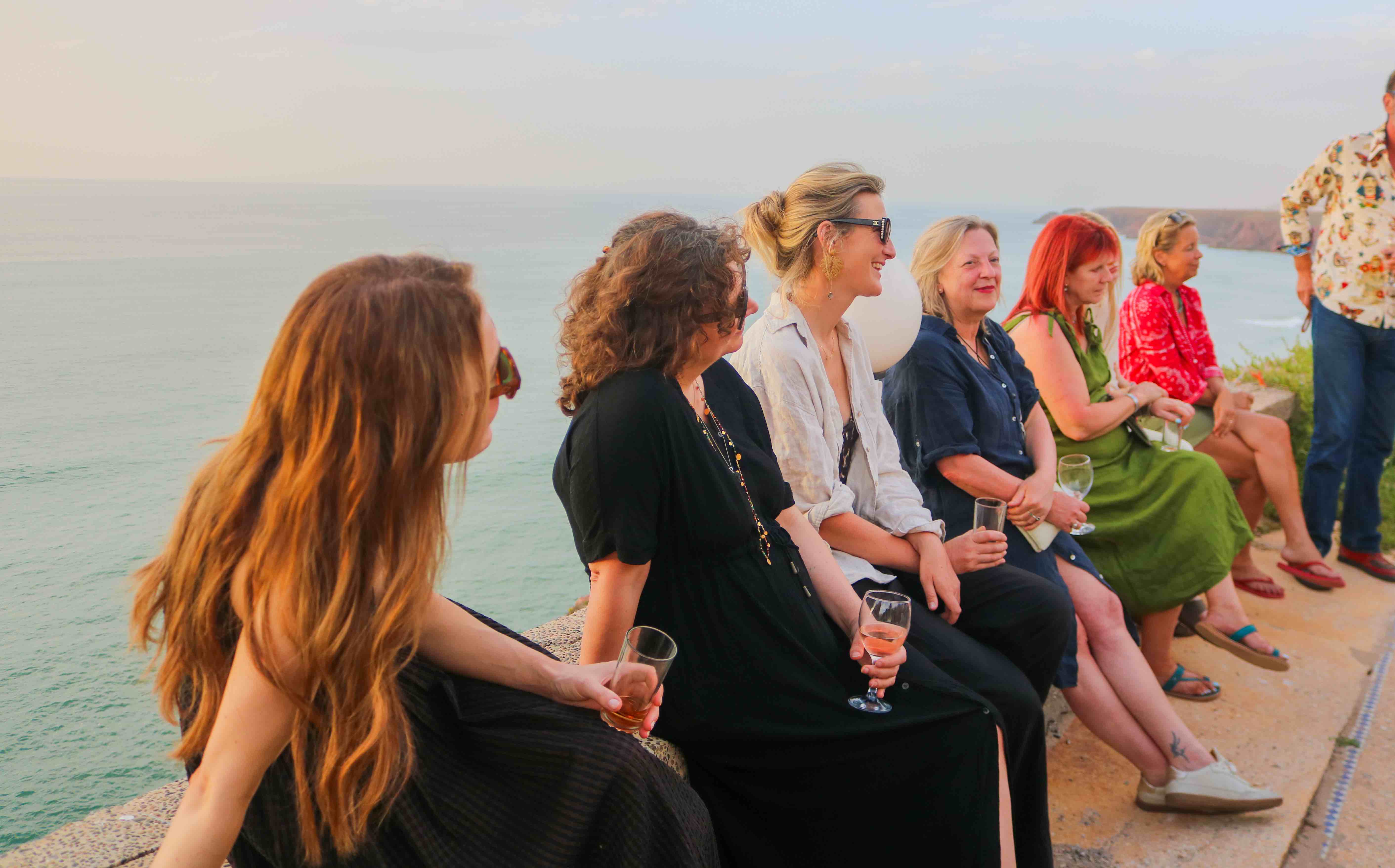
The environment plays a role too. Painting by the ocean, with the sound of the waves, with that constant changing light, is not neutral. It affects how you see, how you mix colour, how you respond.
But what really makes the difference is the time. Seven days together creates something real. People connect, they open up, they support each other. I've seen friendships form that continue long after — people travelling together, working together, even exhibiting together.
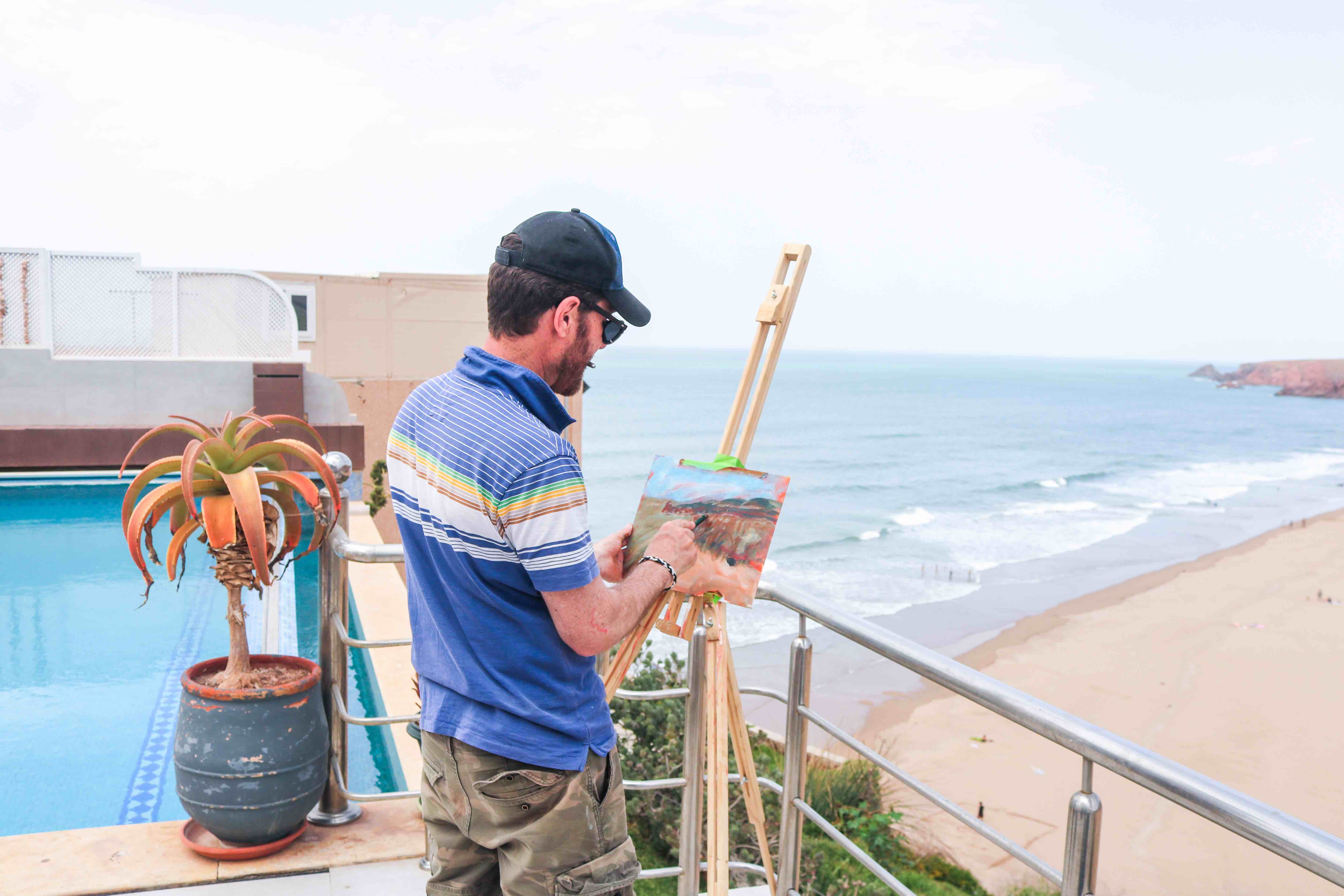
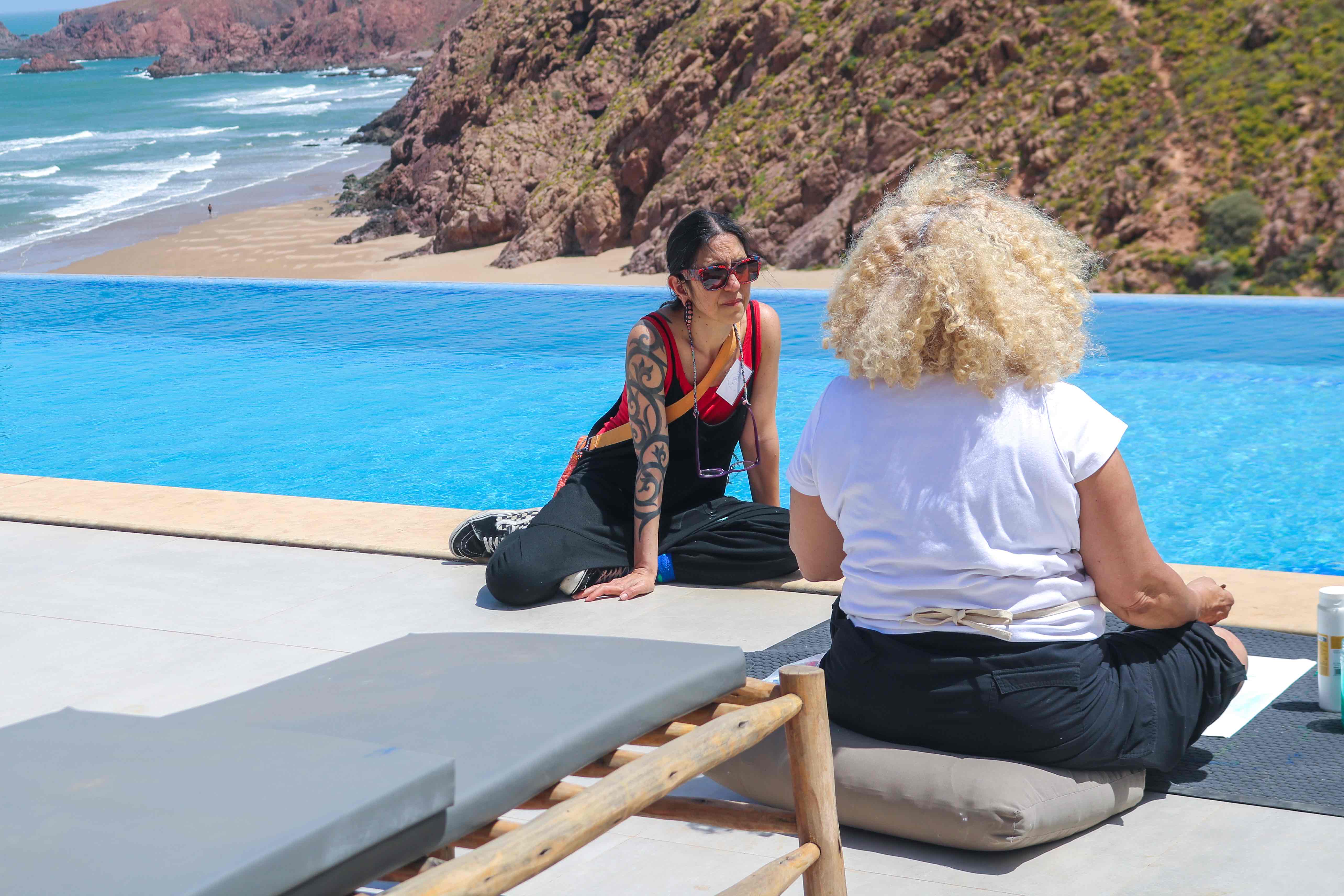
There is one final retreat in Morocco this October.
After this, I won't be running retreats — not in Morocco, not elsewhere — for some time. I don't know yet when or where the next one will be.
If you've been thinking about it, now is the moment. Read the reviews, look at the work, and decide in your own way.
Click here to find out more.
Happy painting.
Enjoyed this article?
Subscribe here to receive practical painting advice and more arty news.
No spam. Only thoughtful, carefully written content.