New Masterclass
Create 4 Skin-Tone Palettes With Me
Learn the method I use to mix the vibrant, natural-looking flesh tones you see in my paintings.
$49 when you sign up now. $99 regular price.
You do not need the same colours I use. The method works with any paint you own.
Why does it work sometimes — and not others?
You mix a skin colour that looks right on your palette, but it looks completely wrong on the portrait. You add white and the skin becomes chalky. You keep adjusting and the mixture turns to mud. Or you finally match one reference, only to struggle all over again with the next.
There is nothing wrong with trying to match the colours you see—we all start there. The problem comes when the reference changes: a different person, a different light or different colours surrounding the face. Suddenly, the mixture that worked beautifully before no longer works at all.
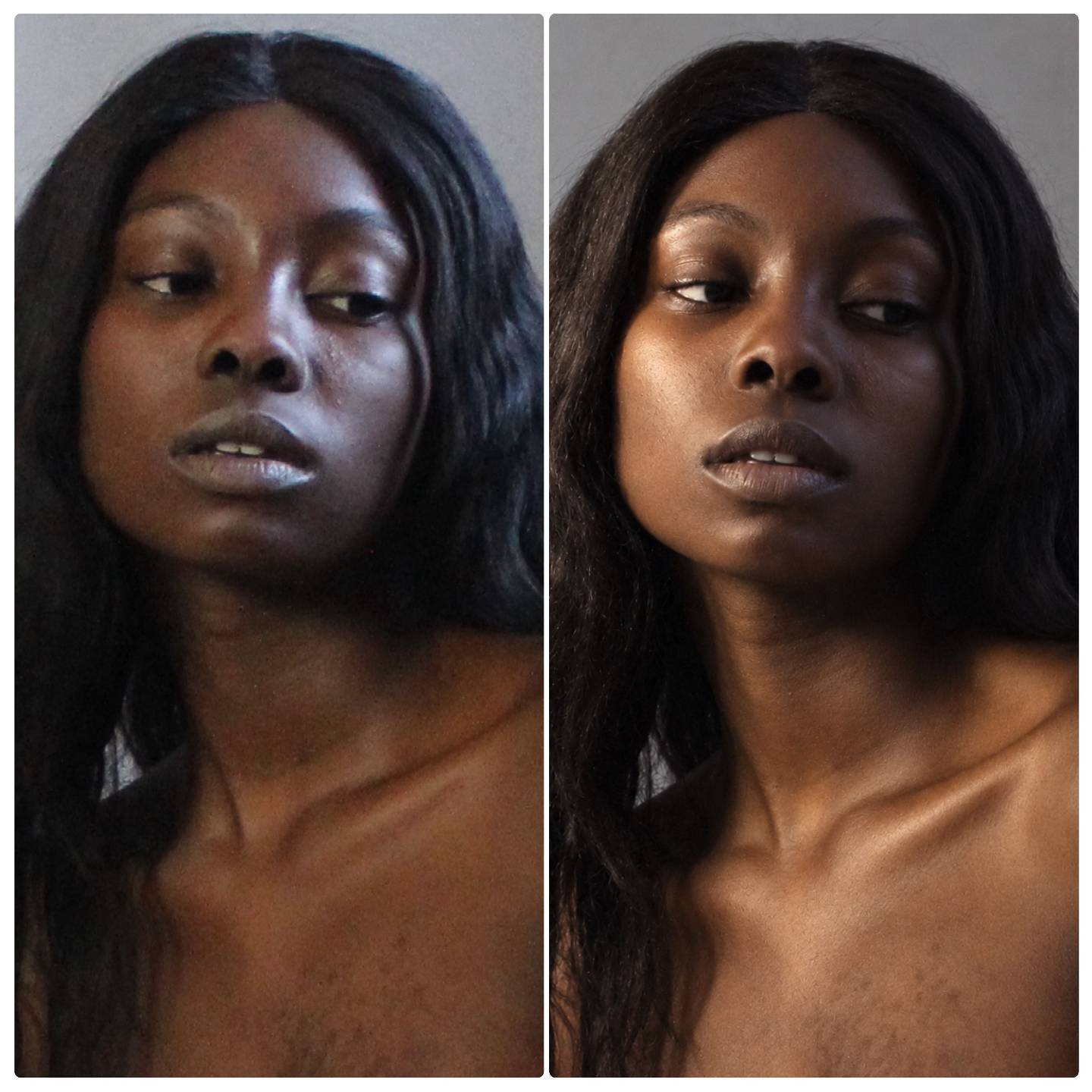
Skin is colour—and colour is not fixed.
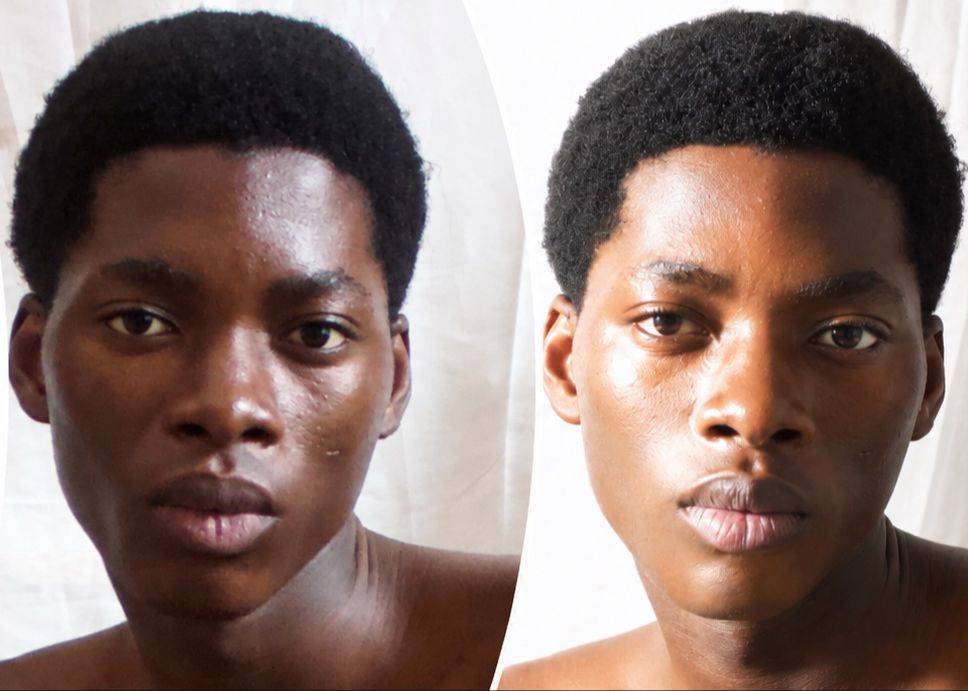
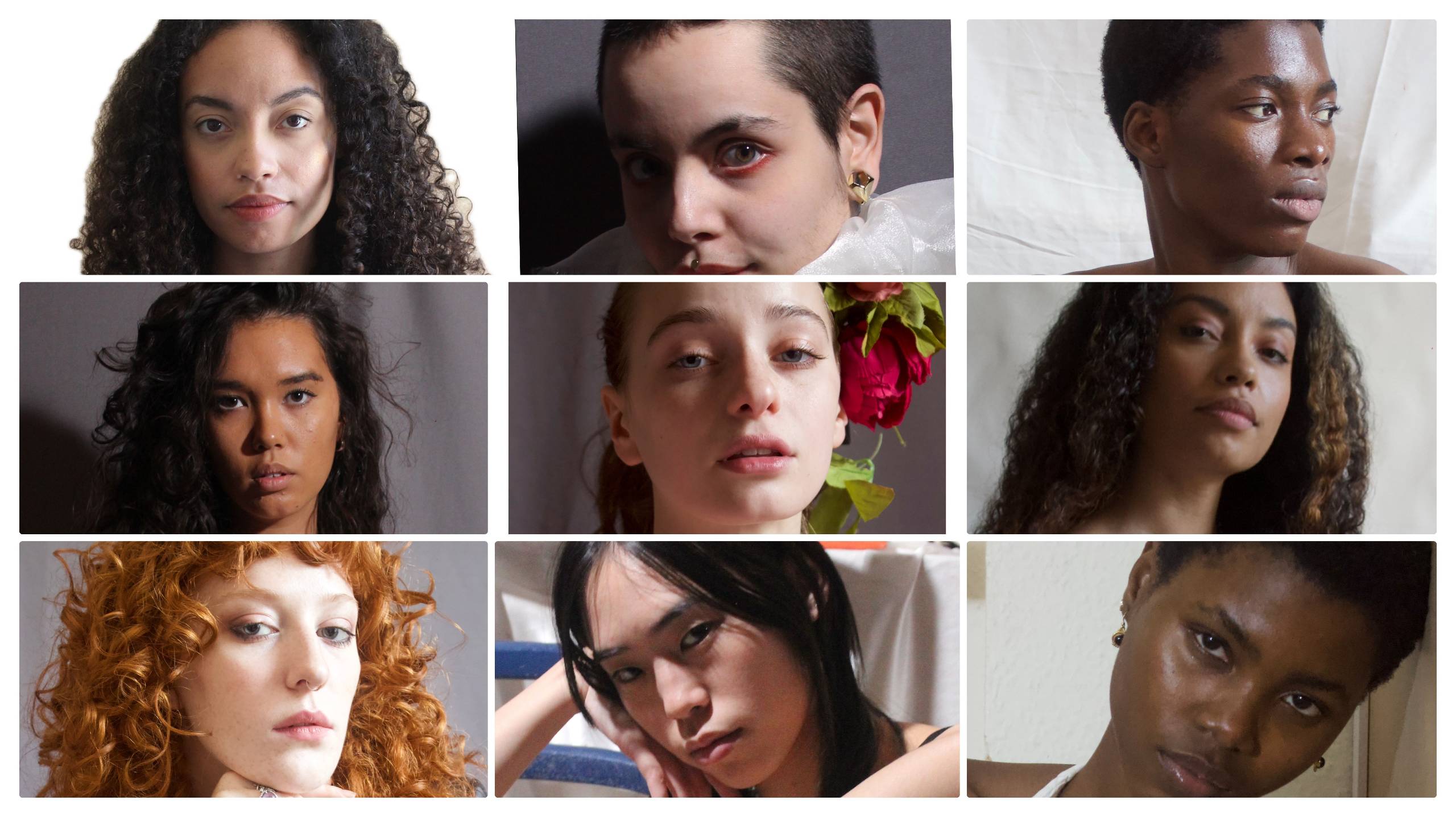
These photographs show the same person under different light. Her complexion has not changed, but what we see as painters has.
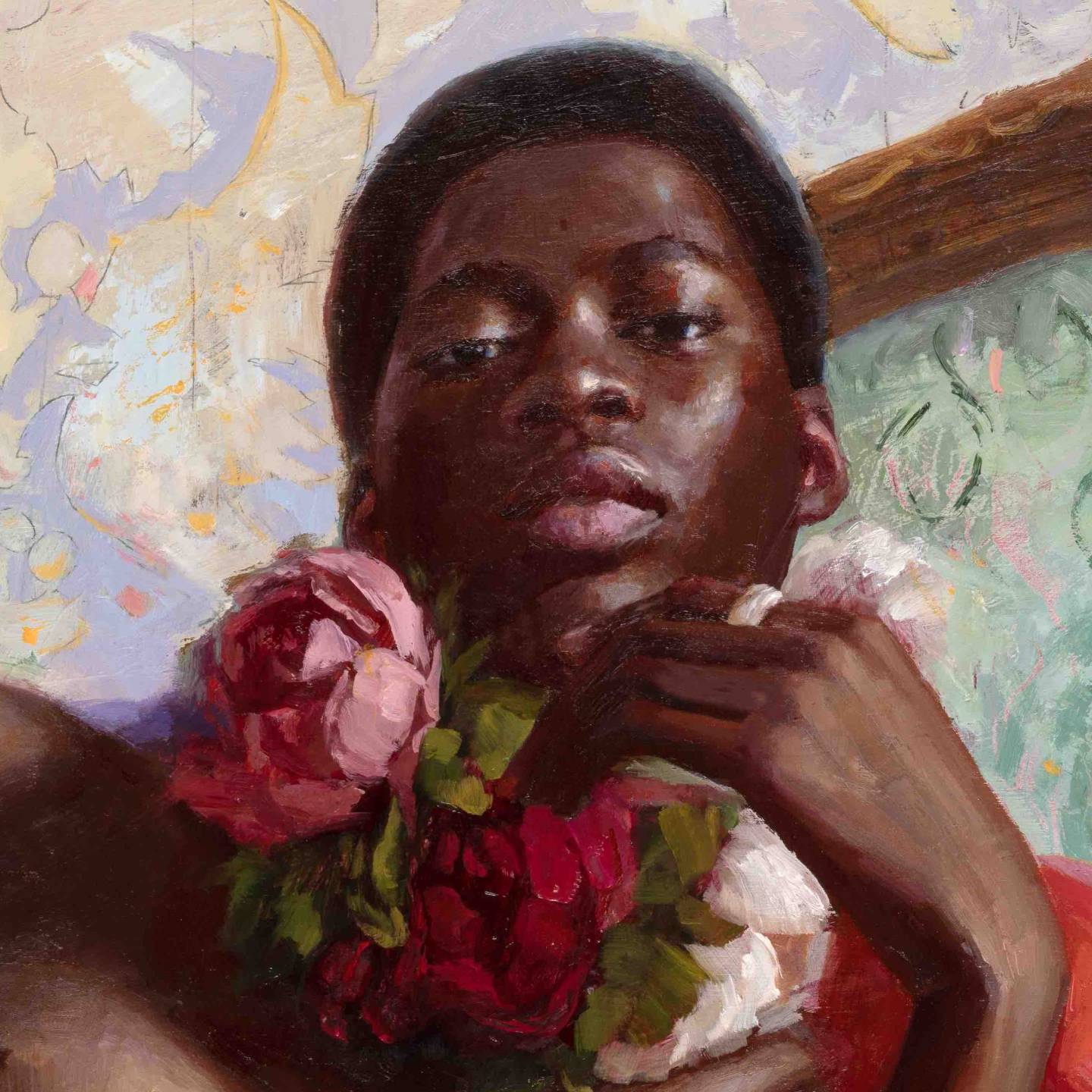
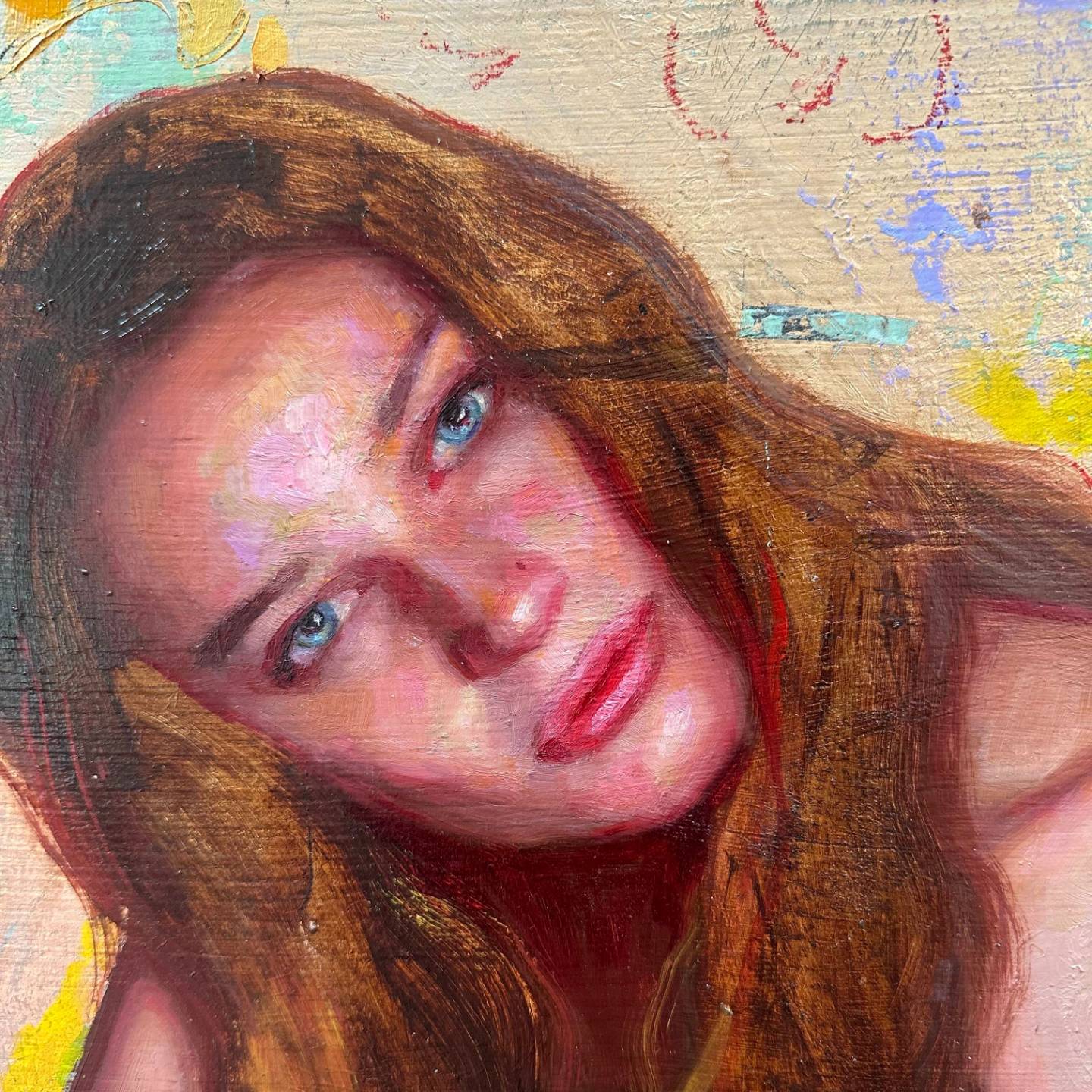
Look closely at a single face and you might find gold, red, orange, lilac, blue-grey and passages where the colour seems to disappear. Skin rarely gives you one specific colour you can easily 'name'.
That is why memorising recipes—or mechanically copying another artist’s palette—will not give you control.
To mix skin tones consistently, you must first learn how to read skin: find the main colour, understand what the light is doing and notice where the colour changes—before reaching for the paint.
If you cannot see it, you cannot mix it.
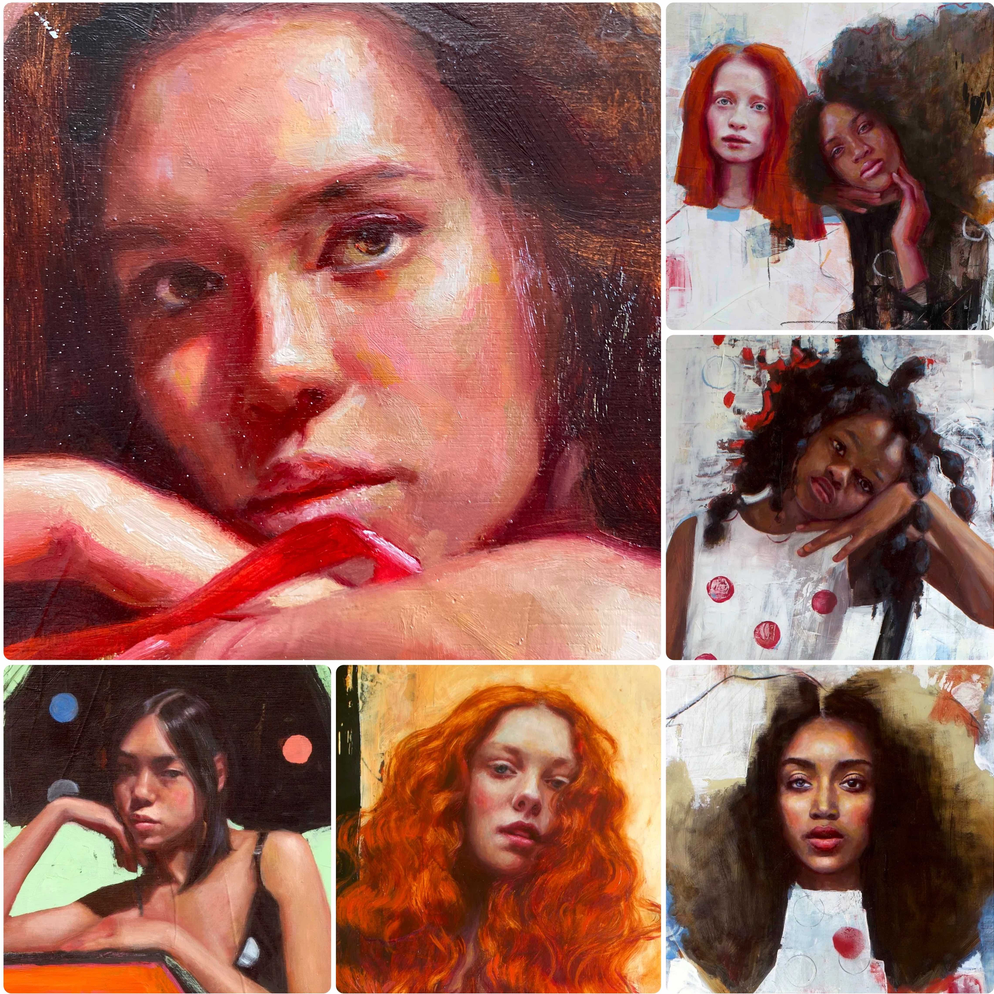
This is where the masterclass begins.
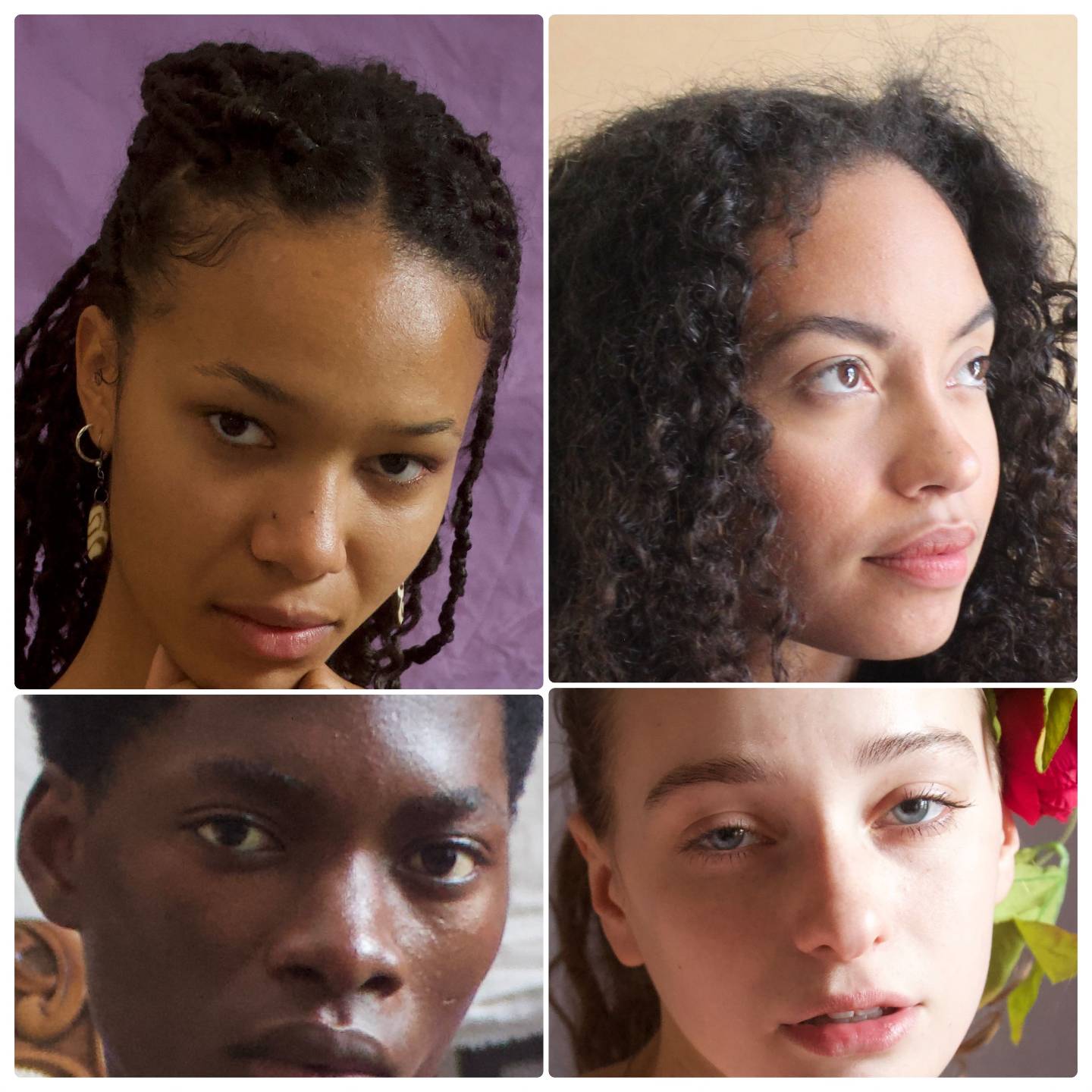
We start by "reading" skin — because honestly that is probably the most difficult part. I won't fill you with theory: you will see me taking you through a range of references and showing you exactly how to identify the main colour, where to look and why. As we look more closely, you begin to see why skin is never simply yellow, orange, cool or warm.
Then we mix. Across four practical demonstrations, we find the main colour, work out what the light is doing, choose the pigments that apply to that particular face, and adjust each mixture accordingly.
By the end you will not simply have four palettes to copy. You will have a process you can use with any reference — and I am very confident of this: after a couple of tries following this method, you will be able to mix and match skin tones with confidence. And decide if you want them more vibrant, more muted or more subtle, intentionally.
Your colours should look the way they do because you decided — not because you could not control the palette
I have painted hundreds of portraits over seventeen years. The more I understood how colour actually works, the more freedom I had to push my palette and skin range to where I felt it should go — vibrant, subdued, or in between.
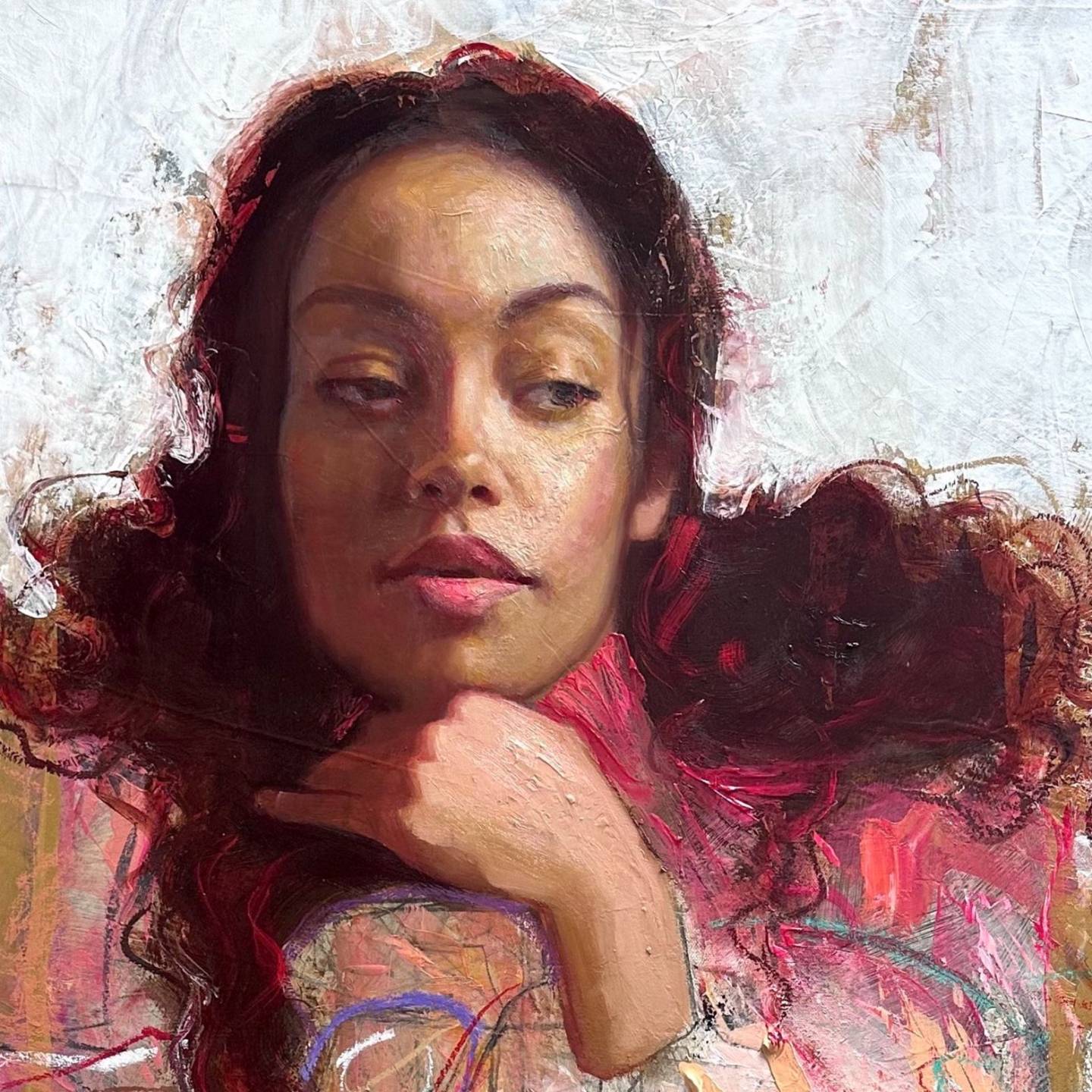
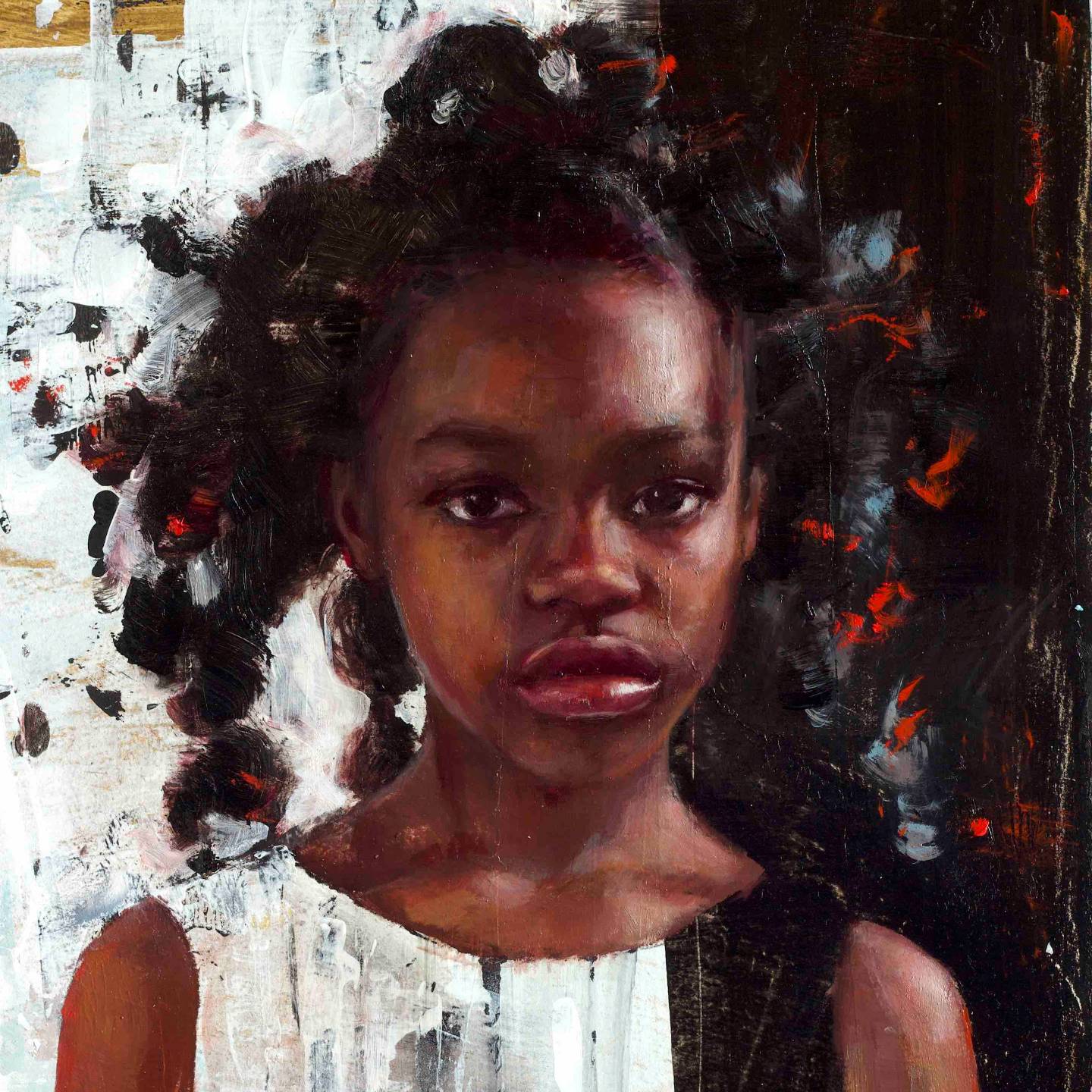
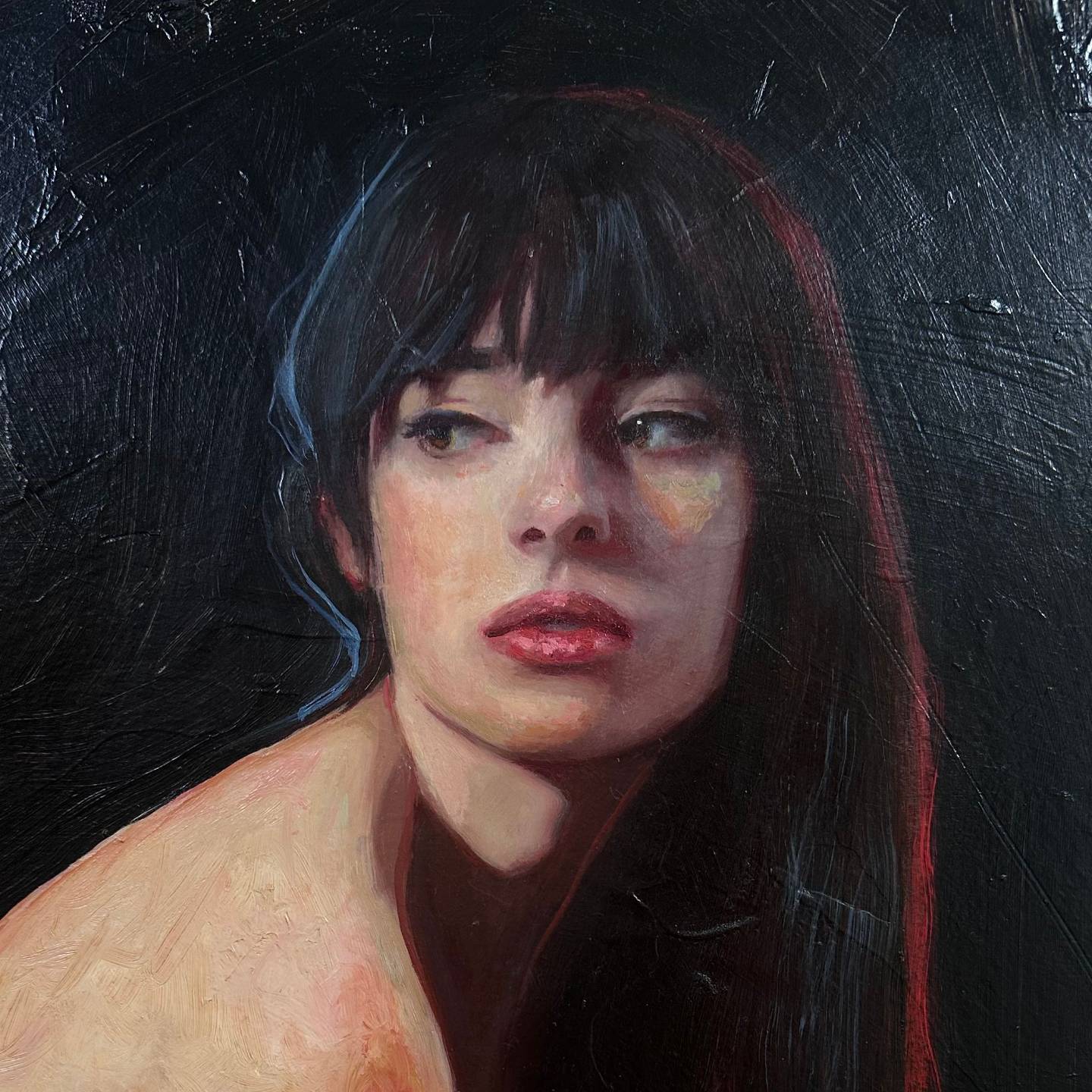
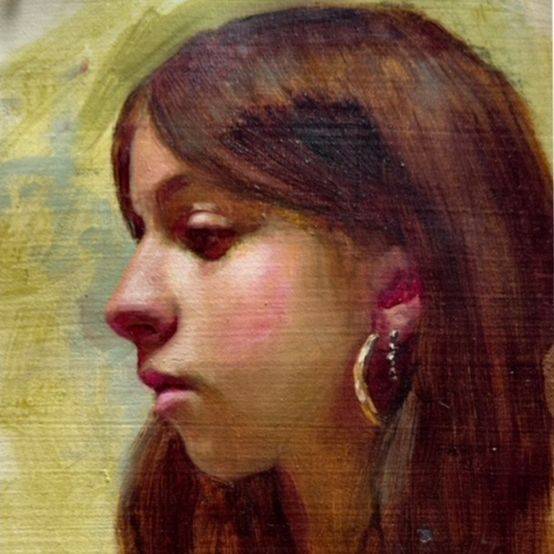
Here's exactly what's inside this masterclass
MODULE 01
Learning How to Read the Skin
Light and the surrounding affect how we perceive skin.
In this module, I demonstrate in a very practical way how colour behaves—and what actually matters to us as portrait painters.
By the end, you will understand why a skin tone can look different once placed on the canvas from how you initially perceived it—and how to respond with confidence and control.
MODULE 02
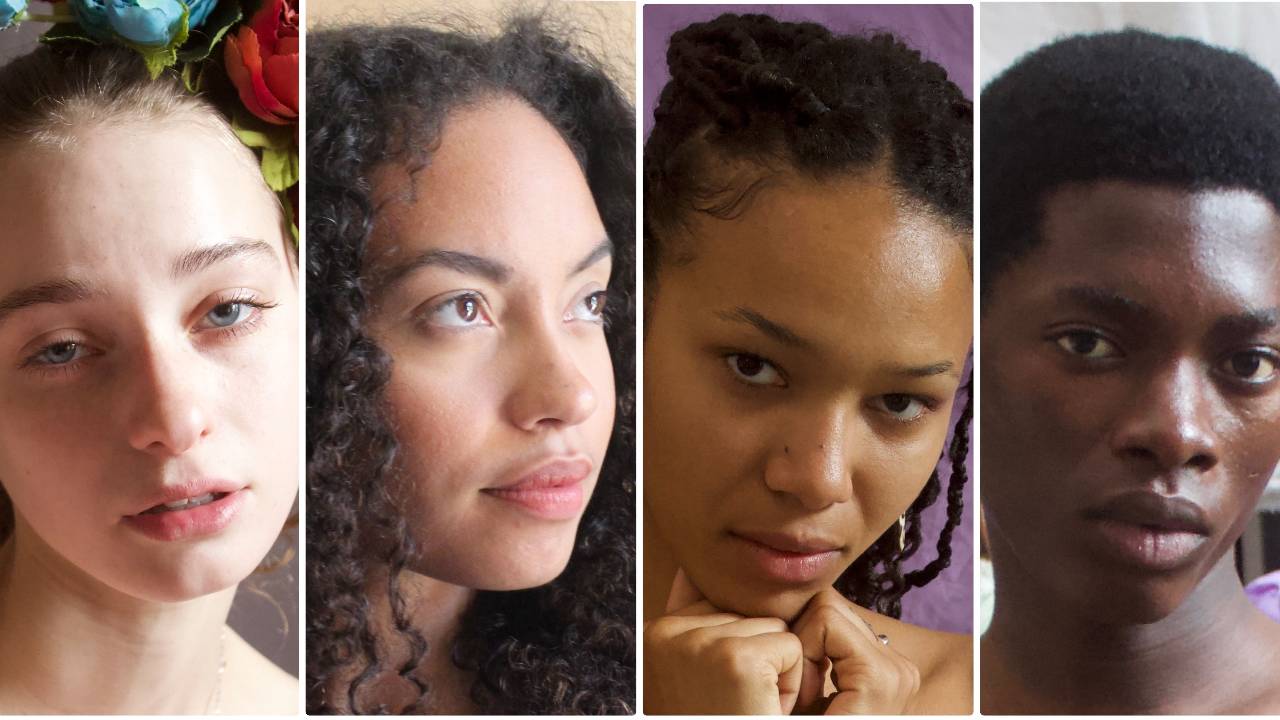
How to Analyse Different Complexions
We examine plenty of references and different lighting scenarios, including the same model under different light. For each one, I explain which colour I would select as the starting point—and why.
This practical lesson will help you identify the main colour across different complexions, understand how it responds to the light, and organise your palette accordingly.
MODULE 03
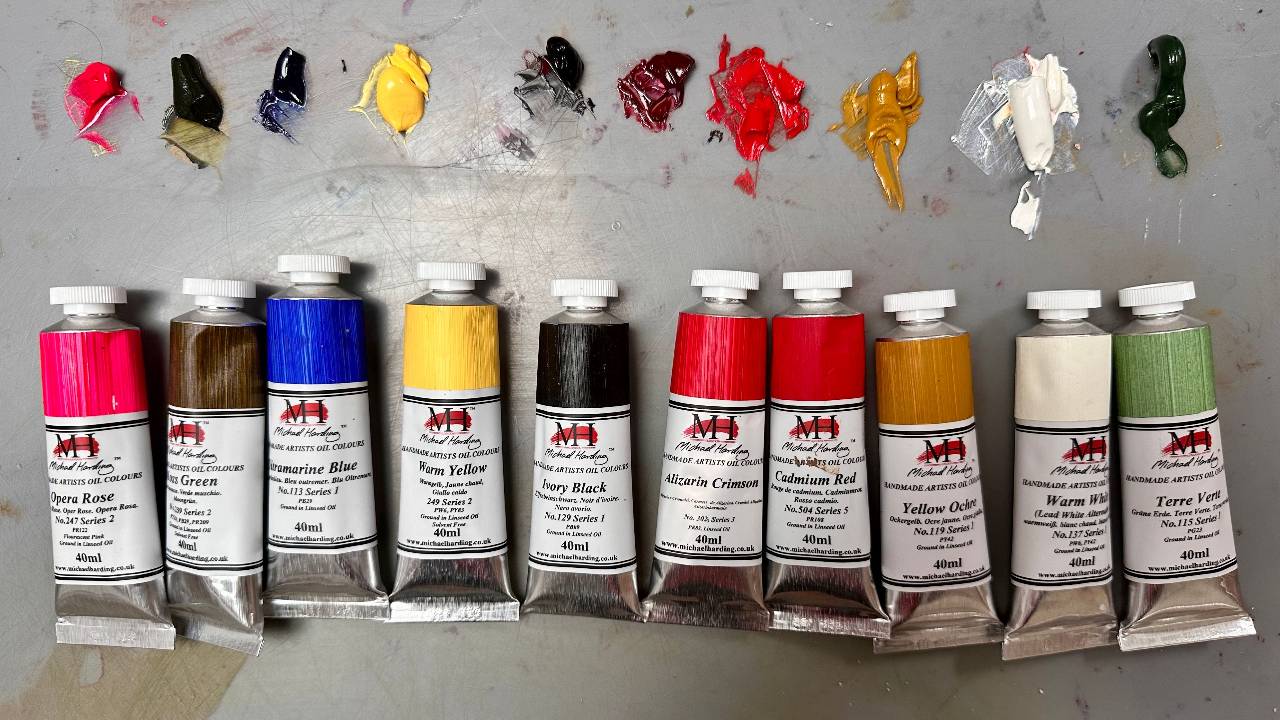
Organising the Palette
We review the full palette: staples (the essential pigments for flesh), neutralisers and extensions.
You will understand the role of the primaries, which ones work best for natural-looking skin tones and why, what to avoid, and which alternatives you can use. I demonstrate with the ten colours in my set, but suggest substitutes throughout so you can follow with the paints you already own.
MODULE 04
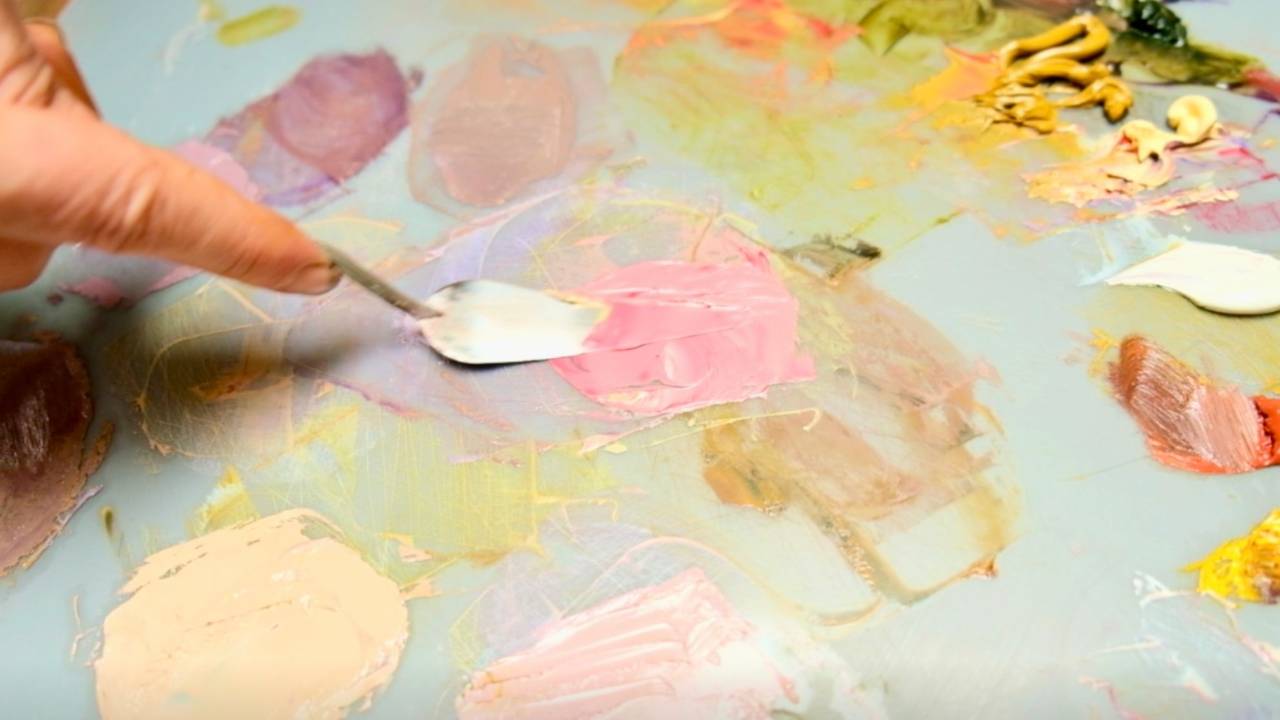
Mixing Skin Tones
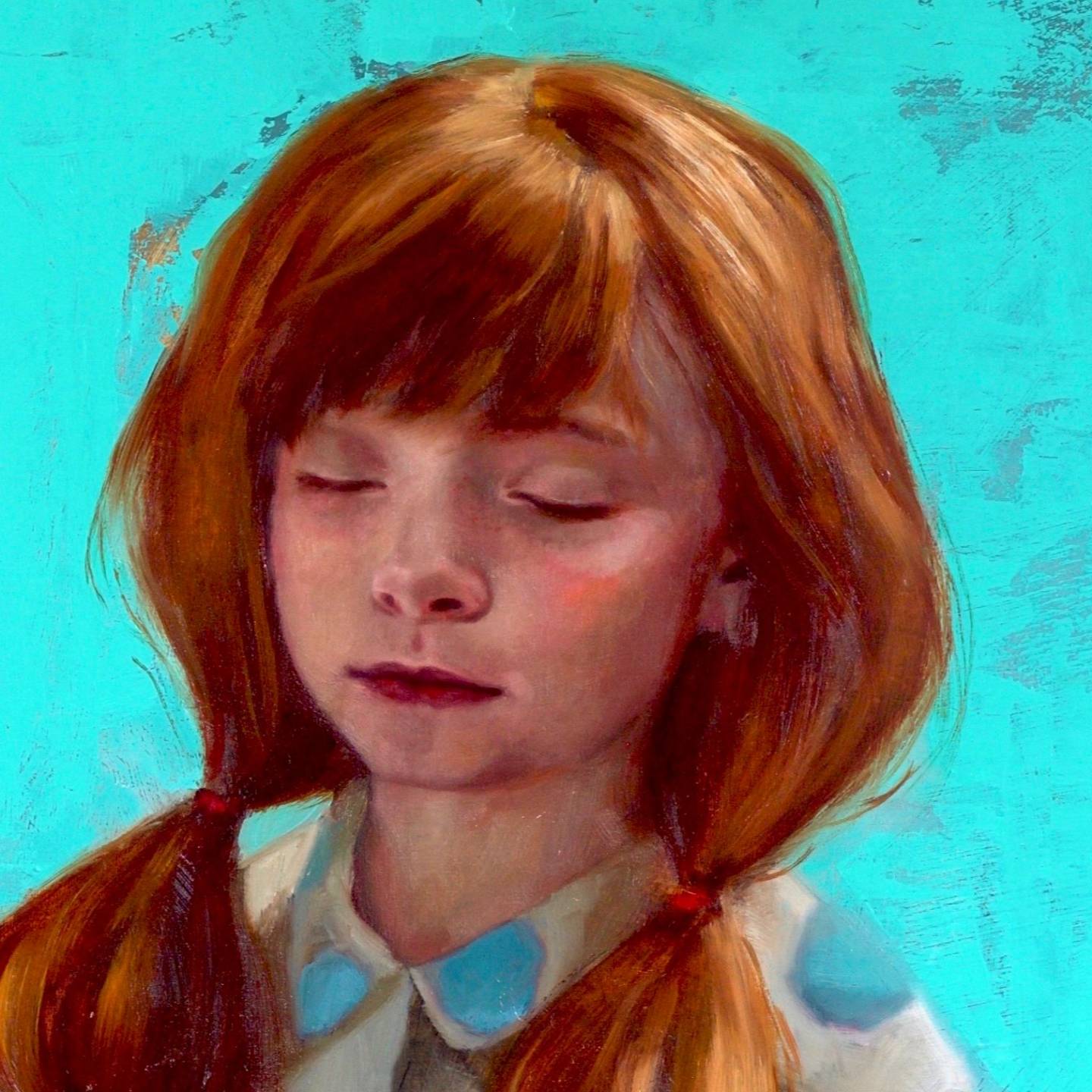
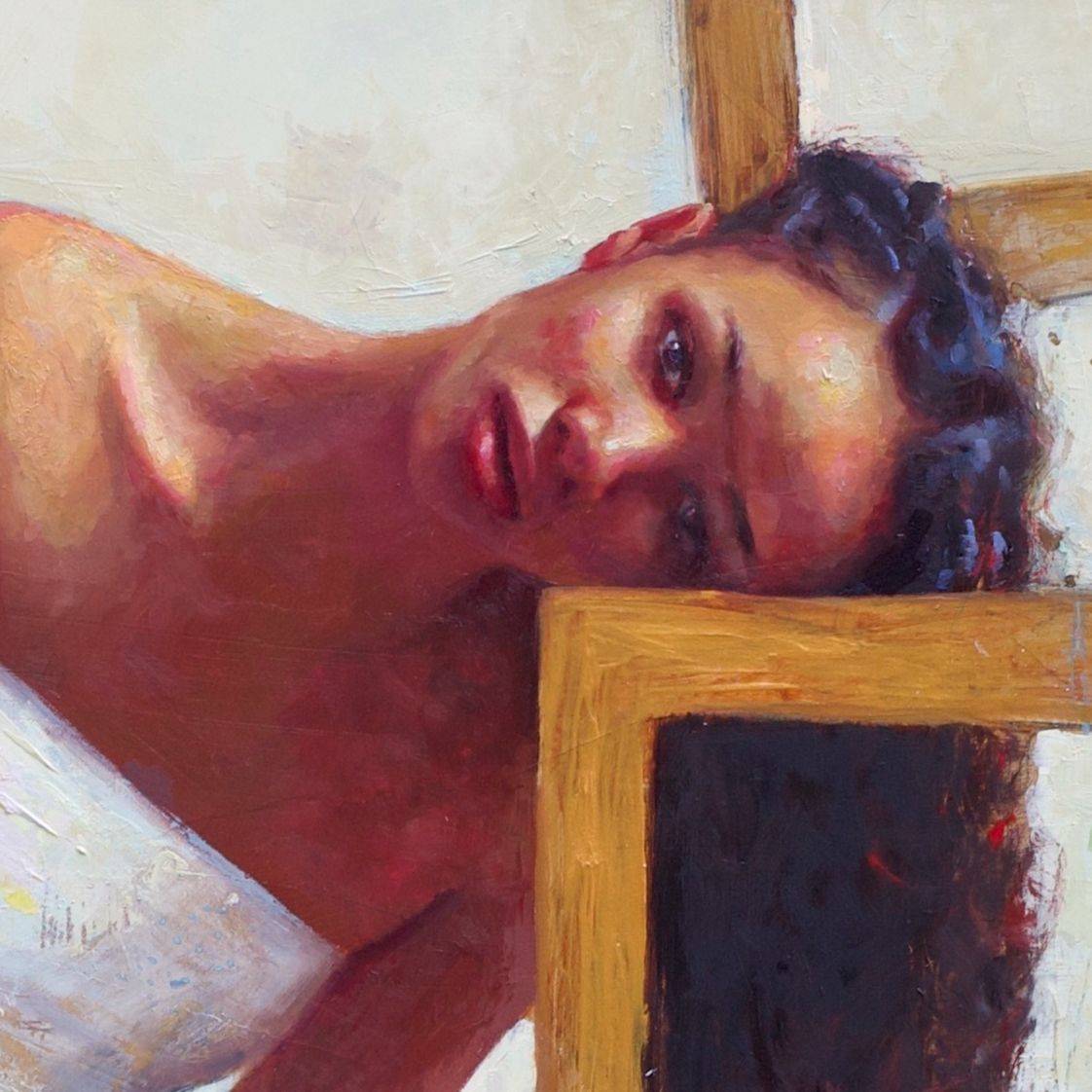
In this four-part practical module, we pick, mix and match colours for four different complexions: pale, olive, brown and dark.
This is the most hands-on part of the masterclass. By the end, you will know how to approach a wide range of skin tones, build your mixtures with confidence and adjust them until they match what you see.
MODULE 05
Practise It Yourself
Download every reference used in the demonstrations, plus an additional pack featuring more complexions and lighting scenarios.
You will also receive plenty of practical exercises to help you train your eye, test your mixtures and apply the method confidently on your own.
The masterclass is yours for only
$49 $99
when you sign up now*. $99 regular price.
What you get
- Five modules, with extensive practical demonstrations
- Reading the skin — the lessons that come before the paint
- The ten-colour palette, and why each colour is there
- The reference photographs we mix from, plus an extra reference pack to practise with
- Lifetime access — watch it as many times as you like
- Stream from desktop / mobile app
- Subtitles included
*The masterclass opens officially on 5 October. Enrol now, start streaming on the 5th October.
“
I kept buying tons of ready-made flesh tones every time I went to the art shop, and never managed to make them work. Now I know why!
Cristina — London
“
I never understood why there was such a big difference between the palette and the painting. I was so frustrated. You opened up a completely new way of seeing. Finally!
Jorge — Spain
“
I learned more in three hours with Rosso than in all the books and classes I've done. It finally clicked — I understood how to make colour look the way I want it to.
Raffaella — Cass Art skin-tone workshop, London
Questions
Do I need the same colours you use?
Do I have to paint in oil?
Is this a portrait course?
When does it open?
Do I have lifetime access?
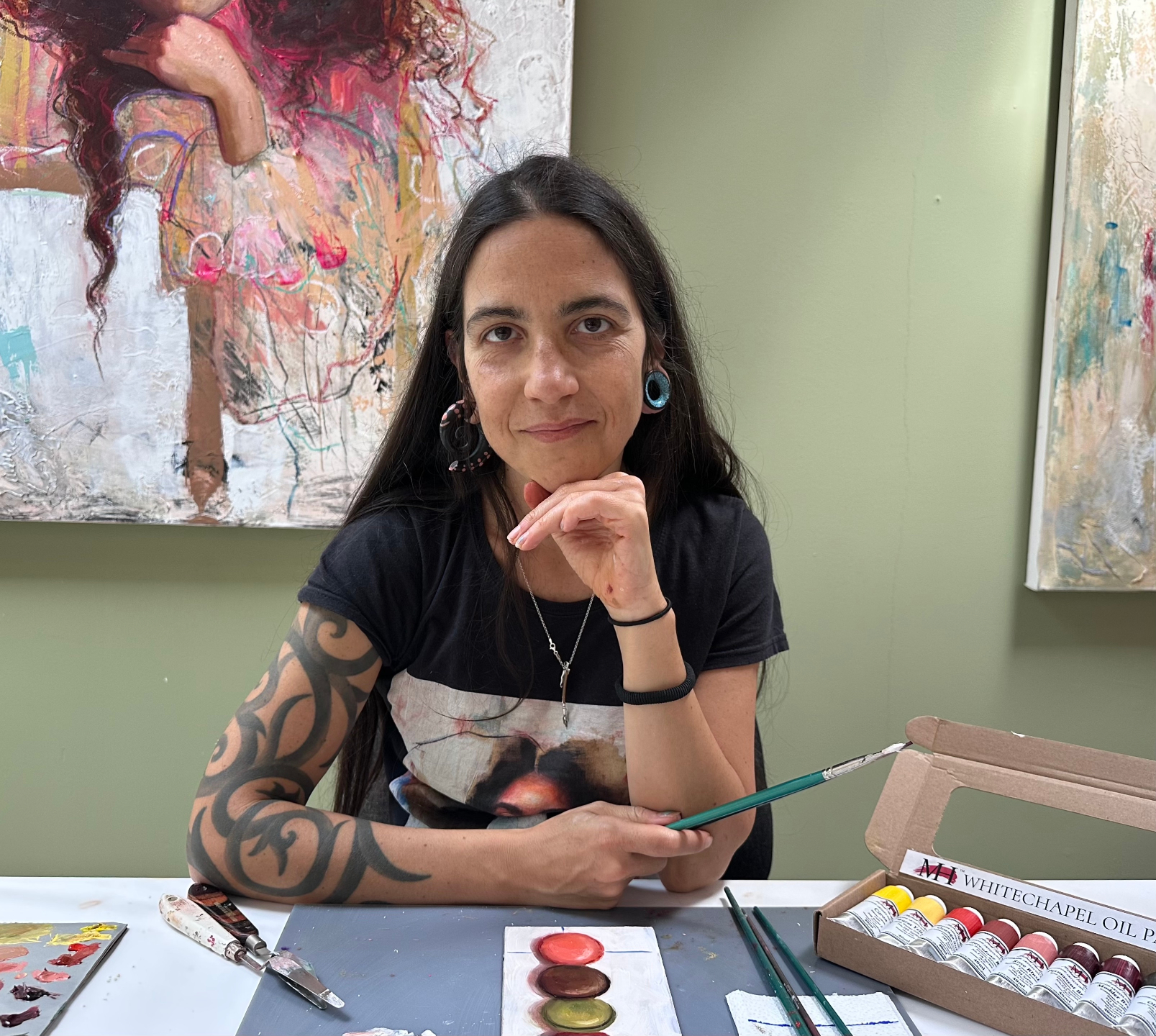
Hi, I’m Rosso—artist and founder of RossoArtSchool.
My journey began at a classical atelier more than 17 years ago, studying traditional portrait painting. But my work changed when I began exploring colour and mixed media more deeply—and introduced unconventional processes and abstraction into my work.
If you asked me what matters most in a painting, I would be lying if I gave you only one answer. Everything matters: how you represent your subject matter, the materials you work with, how you handle colour. The more you know and control each element, the better you get.
If you are a painter—even if you work largely in greyscale—colour is a tool you need to understand and control. Full stop.
My teaching comes from years of painting, experimenting and solving real problems in my own studio. When Michael Harding and Cass Art invited me to develop a ten-colour oil set for portraiture, I created this masterclass to distil my approach to skin-tone mixing into a practical method you can adapt to your own practice.
17 years of practice · 1,000+ students taught · 215K on Instagram
Now you know why it works sometimes.
Let's make it work every time.
I will see you on 5 October.
$49 when you sign up now. $99 regular price.